Luxury japanese treatment anatomy is not a subject that most spa training programs address in depth. Technique, yes. Protocol, yes. The specific physiological sequence that occurs in the body during a properly delivered authentic Japanese treatment — rarely.
This matters because understanding what is actually happening in the body explains why certain elements of Japanese wellness design are clinical decisions rather than aesthetic ones. Why the environment matters. The role of silence as a treatment element. Why the practitioner’s internal state affects the outcome. These are not philosophical preferences. They are physiological mechanisms.
Before the Treatment Begins: The Nervous System Baseline
The human autonomic nervous system operates on a spectrum between sympathetic dominance — the alert, action-ready state — and parasympathetic dominance — the rest, digest, and repair state. Most modern urban adults spend the majority of their waking hours in a low-level sympathetic state. Not in acute stress, but not in genuine rest either.
The baseline from which a treatment begins determines the depth of physiological change that treatment can produce. A guest who arrives in high sympathetic activation — which describes most people who have just navigated a city to get to a spa — will produce different physiological outcomes from the same treatment than a guest who arrives already partially downshifted.
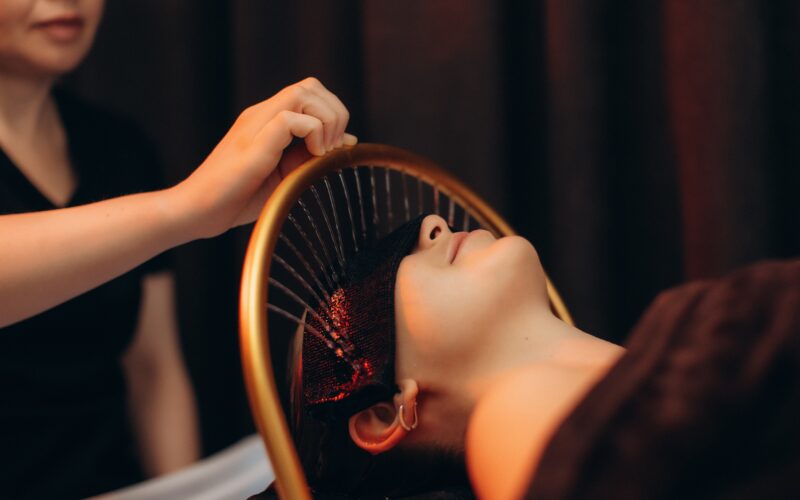
This is why luxury japanese treatment anatomy begins before the first touch. The environment, the acoustic design, and the preparation ritual all work to lower the sympathetic baseline before the treatment starts. A guest who enters the treatment room already partially shifted toward parasympathetic dominance is a different body to work with — and the depth of outcome available is correspondingly greater.
The First Contact: Touch and the Nervous System
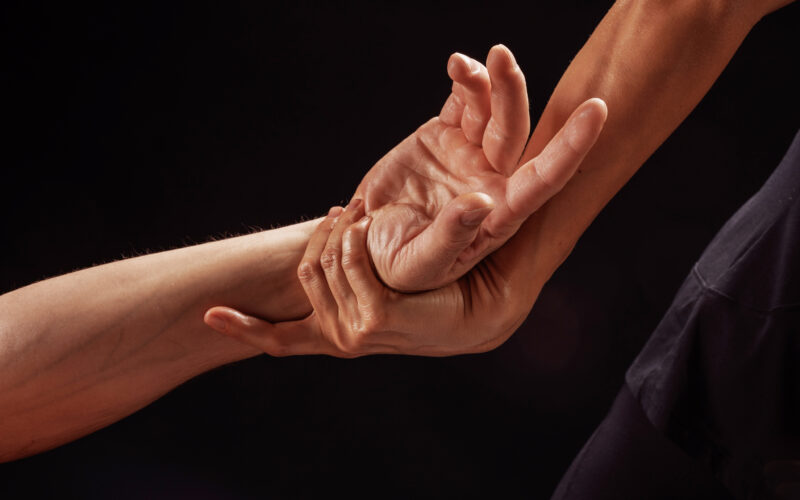
The first contact a therapist makes with a guest’s body triggers an immediate neurological response. The skin’s mechanoreceptors — nerve endings that respond to pressure and movement — send signals directly to the brain. How these signals are interpreted depends significantly on the quality of touch.
Research published by the National Institutes of Health has documented that slow, sustained touch activates C-tactile afferent fibers — a specific type of nerve fiber associated with social bonding and parasympathetic activation. Fast, percussive touch activates different pathways associated with alertness and arousal.
Authentic Japanese bodywork uses slow, sustained contact deliberately. The pace of movement, the quality of pressure, the way techniques transition — all are calibrated to keep C-tactile afferent activation high throughout the treatment. This is not a stylistic preference. It is anatomy.
The Middle Phase: Tissue Response and Integration
As the treatment progresses, the body begins a sequence of physiological responses that go beyond simple muscle relaxation.
Cortisol levels begin to drop as parasympathetic dominance increases. Heart rate variability — a measure of autonomic flexibility and resilience — improves. Fascia, the connective tissue that surrounds and connects every structure in the body, responds to sustained pressure by releasing tension that the nervous system was holding as protective bracing.
The pauses between techniques — the ma of Japanese bodywork — are physiologically significant here. When a therapist completes a movement and holds stillness, the body has a moment to process and integrate the input it just received. The nervous system registers the change, the tissue responds, and the breath naturally deepens. According to Psychology Today, these integration moments are when the deepest physiological changes occur — not during active manipulation, but in the stillness that follows it.
The Sound Layer: Acoustic Physiology
Running parallel to the touch layer throughout a luxury japanese treatment is the acoustic layer — and understanding luxury japanese treatment anatomy requires understanding both.
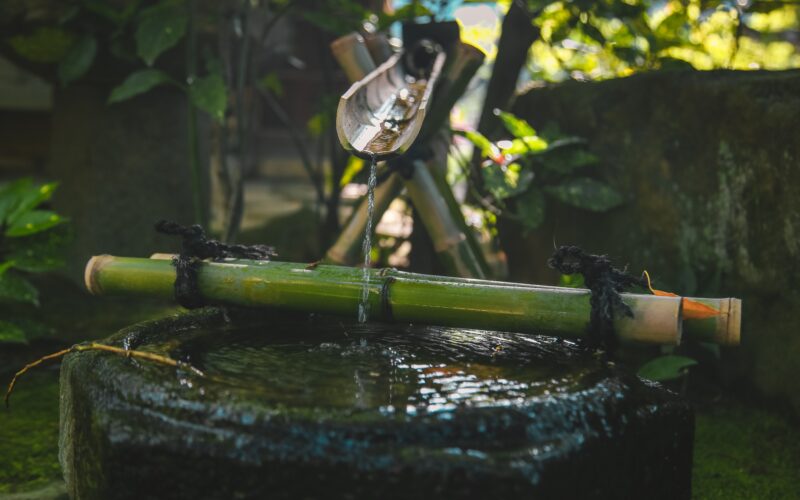
The specific sound frequencies used in authentic Japanese wellness — koto resonance, water movement, shakuhachi breath — activate parasympathetic pathways through the auditory system simultaneously with the touch-based pathways being activated by the therapist’s hands. The combined effect is measurably deeper than either modality alone.
This is why removing the acoustic element from an authentic Japanese treatment is not a minor adjustment. It changes the physiological outcome of the treatment in ways that are detectable in cortisol measurements, heart rate variability, and the quality of what guests report experiencing afterward.
The Integration Phase: After the Treatment Ends
The final phase of luxury japanese treatment anatomy is the integration phase — the period after active treatment when the guest is held in stillness before being brought back to the room.
Most spa treatments end abruptly. The therapist leaves, the guest is given time to dress, and the experience is over. In authentic Japanese wellness, the transition out of the treatment is as deliberately designed as the transition in.
The integration phase gives the autonomic nervous system time to consolidate the shift it has made. The body processes what it has received. The parasympathetic state deepens rather than immediately reversing as soon as activity resumes. The depth of rest achieved in the final minutes of a properly structured Japanese treatment often exceeds the depth reached at any earlier point — because the body has had time to fully settle.
This is why guests from authentic Japanese treatments consistently report that they feel different in the hours and days that follow — not just immediately afterward. The physiological change was deep enough and long enough to produce a lasting shift in the autonomic baseline.
What This Means for Spa Owners
Understanding luxury japanese treatment anatomy has direct practical implications for how spa training programs are designed and delivered.
Every element of authentic Japanese wellness design — the environment, the sound, the practitioner’s internal state, the pace of touch, the use of silence — has a specific physiological rationale. When all elements are present and properly delivered, they produce an outcome that is measurably different from what standard luxury spa treatments produce.
For spa owners building toward this outcome, the starting point is training depth. The anatomy explains the why. The curriculum builds the how. For more on what that looks like in practice, the Okawari training approach offers the full picture.
Okawari was developed by CEOL Academy Japan®, Osaka — an anatomy-based therapist education institution. We bring the physiological foundation of luxury japanese treatment anatomy to international spa owners and investors. Visit okawarispa.com/enquire.