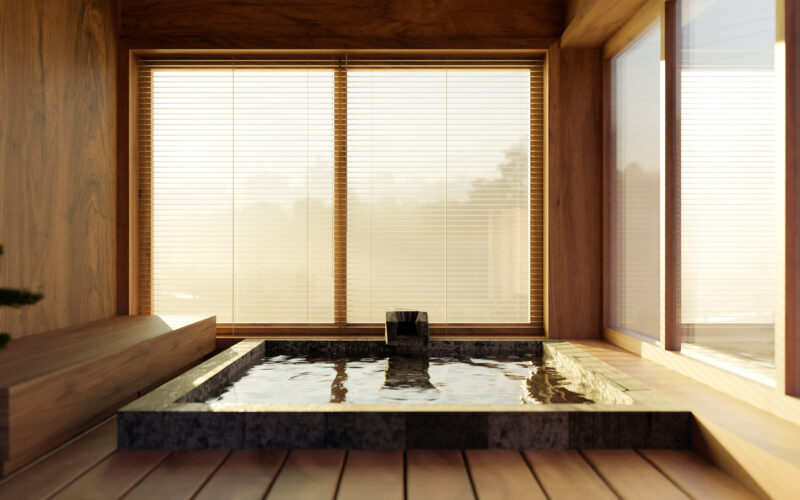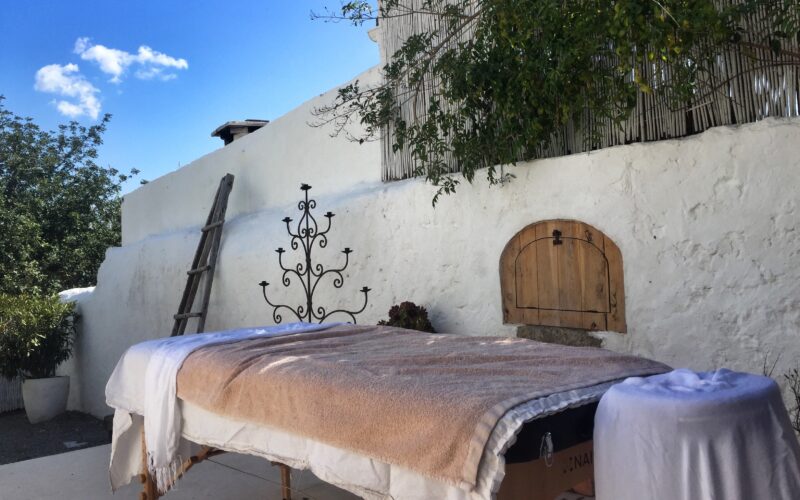
Japanese wellness malaysia is a conversation happening at the highest levels of the country’s hospitality and investment community. It is happening now for specific reasons that were not present three years ago.
Malaysia’s premium wellness market has matured faster than most international observers expected. A growing upper-middle and affluent consumer class, a culture that genuinely values self-investment, and a geography placing Malaysian consumers within easy reach of world-class wellness destinations have together created a sophisticated, discerning guest base ready for something genuinely different.
That something is authentic Japanese wellness. And the window to be first in the Malaysian market is narrowing.
What Has Changed in the Malaysian Wellness Market
Three years ago, the Malaysian premium spa market was primarily driven by Balinese and Thai wellness concepts, with some Korean influence and a handful of Japanese-aesthetic offerings. The consumer base was growing but still building its reference points.
Today, the picture is different. According to Statista, Malaysia’s health and wellness market has seen consistent premium-segment growth, driven by consumers who have now traveled extensively and developed strong opinions about what genuine quality looks like.
The Malaysian premium wellness consumer in 2026 has visited excellent spas in Bali, Bangkok, Singapore, and Tokyo. They know what a competent luxury spa feels like. Beautiful environments and skilled therapists no longer impress them — because they have experienced those things many times. What they are looking for is something that produces a result they have not had before.
This shift — from consumers building their reference points to consumers actively seeking to exceed them — is the specific market condition that makes japanese wellness malaysia a compelling investment opportunity right now.
Why Japanese Wellness Fits the Malaysian Market
Several factors make the Malaysian market particularly well-suited to authentic Japanese wellness.
Cultural resonance. Malaysian consumers have a genuine appreciation for Japanese culture, quality, and precision. The concept of doing one thing exceptionally well — consistently, over time, with philosophical depth behind the practice — resonates strongly. An authentic Japanese wellness concept does not need extensive explanation in the Malaysian market. It needs to deliver what it promises.
Premium pricing tolerance. The Malaysian luxury wellness consumer segment pays significantly above market rate for experiences that justify the premium. Authentic Japanese wellness is built precisely for this segment. Standard luxury spa concepts consistently fail to retain it because their outcomes do not differentiate sufficiently.
Hospitality infrastructure. Kuala Lumpur, Penang, and the Klang Valley have strong luxury hospitality infrastructure — international hotel brands, premium wellness real estate, and the operational expertise to support high-quality spa programs. The physical and operational foundations for japanese wellness malaysia are already in place. What is missing is the training depth and philosophical system that produces authentic outcome.
The Competitive Window
The japanese wellness malaysia opportunity has a specific competitive window that is worth understanding.
Currently, there is no operator in the Malaysian market delivering authentic Japanese wellness at the level that premium consumers are ready for. There are Japanese-aesthetic concepts. Competent luxury spas with Japanese-named treatments exist across the market. What is missing is a concept that produces the physiological outcome that creates the guest who returns without being asked and brings others.
The operator who builds that first will occupy a market position that is genuinely difficult to displace. Not because of brand protection or first-mover advantages in a conventional sense — but because the barrier to replication is training depth, which takes years to develop and cannot be shortcut with capital.
According to Forbes, the luxury wellness concepts with the most durable market positions are those built around outcomes that competitors cannot quickly replicate. In the Malaysian context, authentic Japanese wellness is precisely this kind of concept.
What Building This Requires
For investors and spa owners considering japanese wellness malaysia as a business direction, the development path is straightforward in principle and demanding in practice.
The physical environment needs to be designed around wabi-sabi principles — not as an aesthetic exercise, but as a physiological one. The acoustic environment needs to be intentionally designed. The training program needs to begin with philosophy and build toward technique — the opposite of most Western spa training sequences.
And the training partnership needs to be genuine. Not a product supplier or a design consultant — a partner who can transfer the philosophical foundation, the curriculum, and the operational standards needed to deliver authentic Japanese wellness at a standard that premium Malaysian consumers will recognize as the real thing.
For investors ready to have that conversation, the Okawari partnership model addresses exactly this market entry context. Understanding what authentic Japanese wellness delivers — and why it fits the Malaysian market specifically — should come before any investment decisions.
Okawari is a Japanese luxury wellness concept developed by CEOL Academy Japan®, Osaka. Partnership enquiries from Malaysian spa owners, hotel operators, and hospitality investors are welcome. Visit okawarispa.com/enquire.