The american wellness traveler 2026 is not looking for more options. They have had options. They have visited wellness destinations across multiple countries, tried most of the modalities currently available in the US market, and developed strong opinions about what works and what does not.
What they are looking for — and struggling to find — is something that produces a genuinely different physiological outcome. Not a better version of what they have already tried. Something their body has not experienced before.
Understanding this distinction is the most important thing a spa owner or wellness investor in the American market can understand right now.
Who the American Wellness Traveler Is in 2026
The premium segment of the american wellness traveler 2026 market shares specific characteristics. They travel frequently for leisure and business. Disposable income is not the primary constraint on their wellness spending. Their reference points are extensive — excellent spa programs across Bali, Thailand, Mexico, Japan, and Europe.
Furthermore, they are increasingly skeptical of wellness marketing. They have been promised transformative experiences many times. Some delivered. Most did not. The american wellness traveler 2026 has learned to distinguish between a spa that markets transformation and one that actually produces it.
According to Forbes, the US luxury wellness market is increasingly driven by what researchers describe as “outcome orientation” — consumers who evaluate wellness experiences based on measurable changes in how they feel, think, and operate, rather than on the pleasantness of the experience itself. This shift has accelerated significantly in the past three years.
What the American Wellness Traveler Has Already Tried
To understand what the american wellness traveler 2026 is looking for, it helps to understand what they have already experienced.
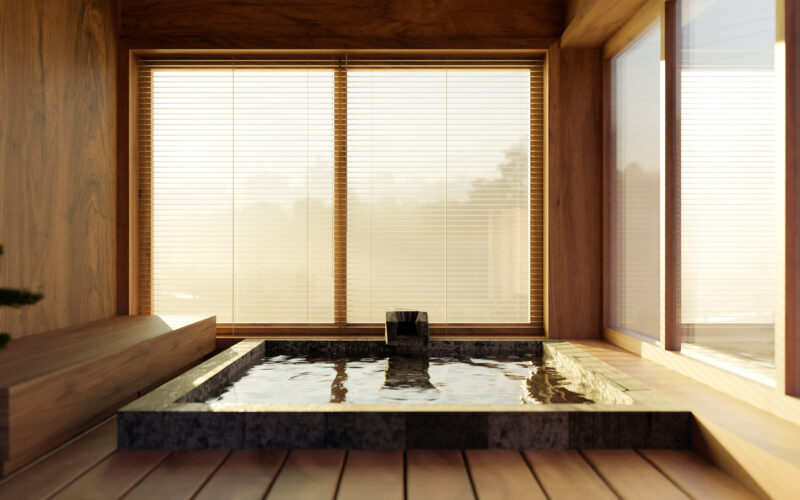
Sound baths. Float tanks. Cold plunge and sauna protocols. Ayurvedic treatments. Thai massage. Korean spa programs. Japanese-aesthetic concepts with hinoki wood and Japanese-named treatments. Breathwork retreats. Yoga and meditation intensives.
Each of these has genuine value. However, the american wellness traveler who has worked through this list has also discovered its limits. Most of these modalities produce relaxation or temporary physiological shifts. Very few produce the kind of nervous system reset that changes how a person operates for days afterward.
That specific outcome — neurological reset rather than relaxation — is what the most discerning segment of the american wellness traveler 2026 market is actively searching for. They often describe it in terms of what they have not found rather than what they have. “I’ve tried everything and I’m still looking for something that really changes how I feel.”
Why Authentic Japanese Wellness Answers This Search
Authentic Japanese wellness — built with proper philosophy, sound design, and training depth — produces the specific outcome the american wellness traveler 2026 is describing. Not relaxation. Reset. Not a pleasant hour. A physiological change that guests carry with them and cannot fully explain.
The mechanism is specific. Environmental design communicates safety to the nervous system before the treatment begins. Wabi-sabi principles remove the performance demand that most luxury spa environments inadvertently create. Sound frequencies activate parasympathetic pathways through the auditory system. The quality of practitioner presence — developed through philosophy-first training — completes the conditions for genuine neurological rest.
According to Harvard Business Review, the luxury experience market is increasingly dominated by what they describe as “meaningful differentiation” — experiences that produce lasting internal change rather than external pleasure. Authentic Japanese wellness is exactly this kind of experience. Moreover, it is genuinely rare in the US market — which means the first operators to build it correctly will define a category.
What the American Market Needs From Operators
The american wellness traveler 2026 does not need more beautiful spas. The market has those. They do not need more technology-led treatments. Those exist and have been tried.
What the market needs is operators willing to invest in depth rather than surface. Training programs that begin with philosophy. Environmental design that serves the nervous system rather than the camera. Acoustic environments that are designed with the same care as the physical space.
These investments are not dramatic. However, they require a different kind of commitment — one that prioritizes outcome over aesthetics, and physiological depth over novelty.
For operators building toward this, the Okawari partnership model was developed specifically for the american wellness traveler market. The full picture of what authentic Japanese wellness delivers is worth understanding before any development or investment decisions are made.
Okawari is a Japanese luxury wellness concept developed by CEOL Academy Japan®, Osaka. We work with US resort operators and hospitality investors to build programs for the american wellness traveler market. Visit okawarispa.com/enquire.