The japanese spa ritual that precedes a treatment is not decoration. It is not ceremony performed for aesthetic effect or cultural authenticity. It is a deliberate physiological intervention — one that begins the process of nervous system downshift before the therapist’s hands have touched the guest’s body.
Most spas do not have a genuine pre-treatment ritual. They have a check-in process. A brief consultation. A change of clothes and a short walk to the treatment room. These are logistical steps, not therapeutic ones. By the time the treatment begins, the guest’s nervous system is still operating at close to the same baseline it maintained during the commute to the spa.
Authentic Japanese wellness understands that the treatment begins before the treatment begins.
What a Japanese Spa Ritual Actually Is
A japanese spa ritual is the structured transition from the guest’s external world to the internal state in which the treatment can produce its deepest effects. It is designed around a specific understanding of how the autonomic nervous system shifts from sympathetic to parasympathetic dominance — and what conditions accelerate that shift.
The ritual is not the same in every authentic Japanese wellness program. However, it shares certain structural elements that reflect the underlying physiological logic.
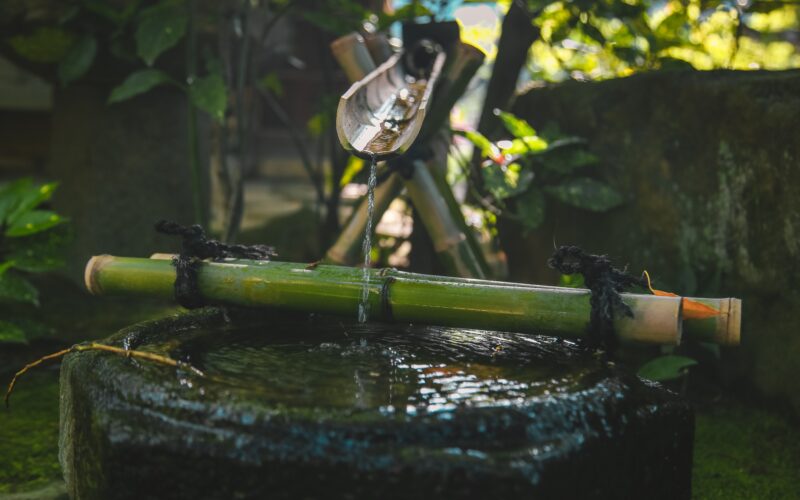
The arrival moment. The guest’s first experience of the space should communicate — through the acoustic environment, the physical design, and the quality of the welcome — that they have left something behind. Not that a pleasant experience is beginning, but that a different quality of time is now available. According to Psychology Today, environmental cues that signal a transition from one context to another produce measurable changes in autonomic state, independent of any active intervention.
The preparation silence. Before the treatment formally begins, there is a period of structured stillness. This is not a wait. It is part of the japanese spa ritual — the moment when the guest’s nervous system has the first opportunity to register that nothing is currently required of it. For many guests, this is the first genuine silence they have experienced that day.
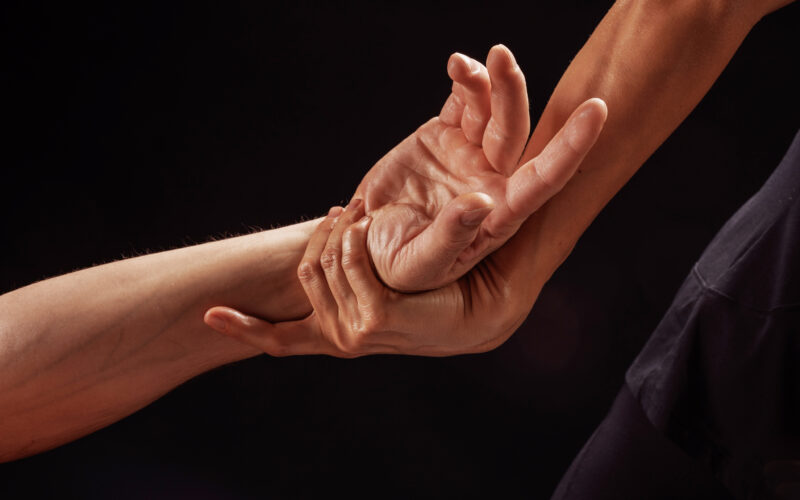
The practitioner’s entry. How the therapist enters the room is part of the ritual. Their quality of presence — centered, unhurried, genuinely attentive — communicates safety through the subtle cues that the nervous system monitors constantly: pace of movement, quality of breath, the absence of social urgency. A therapist who has developed kokoro communicates all of this without a word.
The Physiological Logic of the Japanese Spa Ritual
The japanese spa ritual works because of how the autonomic nervous system responds to environmental cues. The parasympathetic system — responsible for rest, repair, and cellular recovery — does not activate on command. It activates when the nervous system registers, through accumulated sensory evidence, that the environment is safe and that nothing is required.
Building this evidence takes time. A guest who has been in the spa for five minutes cannot achieve the same depth of parasympathetic activation as a guest who has been in the ritual space for twenty. The japanese spa ritual is, in practical terms, the deliberate accumulation of safety signals over a sufficient period of time.
Research published by the National Institutes of Health supports this mechanism. The depth of parasympathetic activation achieved during a therapeutic treatment correlates with the pre-treatment autonomic baseline. A ritual that systematically lowers this baseline before the treatment begins produces measurably deeper outcomes from the same technique.
What Most Spas Miss About Pre-Treatment Preparation
The most common failure in pre-treatment preparation is treating it as a logistical sequence rather than a therapeutic one. The guest is moved through steps efficiently. Each step serves an operational purpose. None of them serve a neurological one.
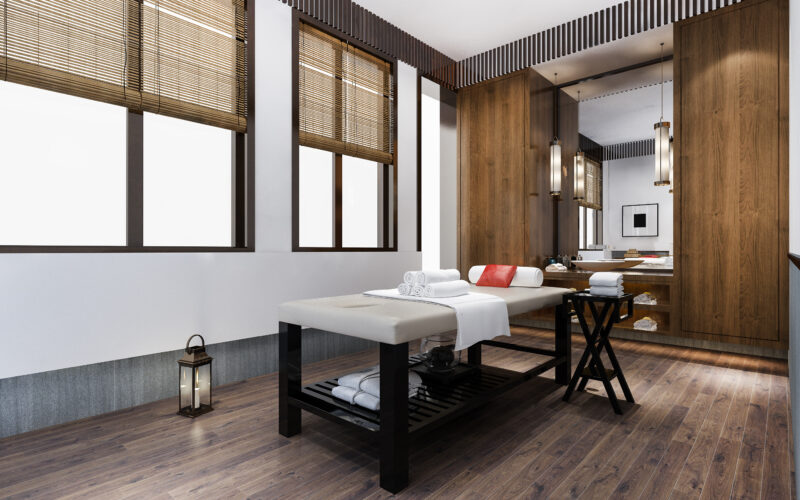
This failure is understandable. Pre-treatment ritual takes time. It requires therapists who understand its purpose and can hold it with the quality of presence that makes it effective. It requires physical spaces designed to support it — which means applying wabi-sabi principles to the areas guests move through before they reach the treatment room, not just to the treatment room itself.
Furthermore, a japanese spa ritual requires silence — specifically, the kind of silence that communicates permission rather than absence. A preparation space with continuous music, well-intentioned conversation, or ambient stimulation is not creating the conditions for nervous system downshift. It is maintaining the conditions that prevent it.
Building the Japanese Spa Ritual Into Your Concept
For spa owners considering how to incorporate a genuine japanese spa ritual into their offering, the starting point is observation rather than addition.
Walk through your current pre-treatment sequence as if you were the guest. What does the arrival communicate? What is the acoustic environment doing to a nervous system that just spent thirty minutes in traffic? What signals does the preparation space send about what is expected of the person inside it?
The answers will tell you precisely where the gaps are — and what a genuine japanese spa ritual would change. For the broader context of how the ritual connects to the complete system of authentic Japanese wellness, the full picture is worth understanding. The Okawari approach treats the japanese spa ritual as an integral part of the system, not as a supplementary element.
Okawari transfers the complete system of authentic Japanese wellness — including the japanese spa ritual that precedes every treatment — to international spa owners and investors. Visit okawarispa.com/enquire.