Japanese spa menu design is one of the areas where the gap between authentic and decorative is most visible — and most consequential.
Most spa menus that claim Japanese inspiration share the same structure. A handful of treatments with Japanese names. Perhaps a ritual described with references to onsen or wa. Photography that looks like Japan. And beneath all of it, a standard luxury spa experience that could have come from anywhere.
A menu designed around genuine Japanese wellness philosophy communicates something different from the moment a guest reads it. Not because the language is more sophisticated — but because the logic is coherent. Every element connects to a system. Every treatment has a reason beyond its name.
Why Most Japanese-Named Menus Miss the Point
The most common mistake in japanese spa menu design is treating the menu as a marketing document rather than a clinical one. The names are chosen for how they sound. The treatments are sequenced for how they look on a page. The pricing is set by comparison to competitors.
None of this addresses the question that authentic Japanese wellness asks first: what does this treatment do to the guest’s nervous system, and in what sequence?
A menu designed around that question looks different. The treatments build on each other physiologically. The sequencing reflects the body’s actual recovery process. The guest who reads it before booking understands — even without being told — that this menu was designed around an outcome, not an aesthetic.
According to Healthline, multi-sensory therapeutic environments produce significantly deeper physiological outcomes than single-modality approaches. A japanese spa menu design that integrates sound, touch, silence, and environment as connected elements — rather than as separate service lines — reflects this understanding.
The Principles of Authentic Japanese Spa Menu Design
Structure Treatments Around Physiological Sequence
An authentic japanese spa menu design begins with the nervous system. The arrival experience lowers the sympathetic baseline. The preparation ritual deepens this shift. The active treatment works with a body that is already partially downshifted — which means the depth of outcome available is greater.
This sequence must be reflected in the menu structure. Treatments are not standalone products. They are stages in a physiological journey.
Name Treatments for Their Function, Not Their Origin
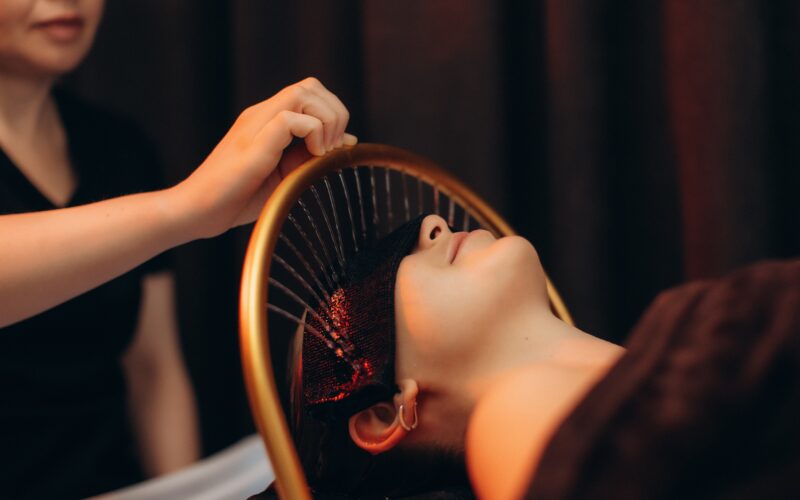
Japanese wellness tradition has specific practices with specific physiological rationales. Zukyō — the dry head protocol — activates specific cranial nerve pathways. Sound environments using koto and water frequencies target the parasympathetic system through the auditory channel.
A menu that names these treatments accurately communicates depth. A menu that uses Japanese words as decoration communicates the opposite — that the philosophy is surface-level, even if the intention is sincere.
Design the Guest Journey, Not Just the Treatment List
Authentic japanese spa menu design extends beyond the treatment list itself. How is the menu introduced to the guest? What language does the front-of-house use to explain the options? How does the booking process reflect the philosophy of the concept?
The concept of ma — the meaningful use of space and pause — applies to the menu experience as much as to the physical space. A guest who encounters a menu that does not overwhelm them with options, that communicates clarity rather than abundance, has already begun to experience the Japanese wellness philosophy before the treatment starts.
What a Genuine Japanese Spa Menu Looks Like
A genuine japanese spa menu design is characterized by restraint, coherence, and physiological logic.
Restraint means fewer treatments, each with a clear purpose. Most luxury guests do not want to choose from forty options. They want to know what is best for what they need — and to trust that the person recommending it understands both the treatments and the body.
Coherence means that every treatment on the menu connects to the same underlying philosophy. A guest who reads the full menu should understand, by the end, what the concept stands for — not just what services are available.
Physiological logic means that the treatments are sequenced and described in terms of what they produce in the body. Not “deeply relaxing” — but why they are deeply relaxing, and what specifically happens in the nervous system as a result.
The Business Case for Philosophy-Driven Menu Design
A japanese spa menu design built on philosophy rather than aesthetics supports premium pricing consistently. Guests who understand — even intuitively — that they are choosing from a coherent system are less likely to comparison-shop on price. They are choosing an outcome that they cannot find elsewhere.
Furthermore, a menu that communicates genuine depth creates the right guest expectations before the treatment begins. A guest who arrives expecting something unusual is more likely to notice and articulate the difference — which is what generates the word-of-mouth that drives organic growth.
For spa owners who want to understand how menu design connects to the broader system of authentic Japanese wellness, the full picture is worth understanding. The Okawari partnership approach includes menu design as part of the complete system transfer — not as a separate consultation.
Okawari transfers the complete system of authentic Japanese wellness — including japanese spa menu design — to international spa owners and investors. Visit okawarispa.com/enquire.