The japanese spa guest experience begins before the treatment. This is not a marketing statement. It is a design decision — and it is the first thing that separates an authentic Japanese spa from one that has adopted the aesthetic without the philosophy.
Most spas begin the guest experience at the reception desk. Check in, change, wait, treatment, leave. The spa is a sequence of steps that leads to and from the treatment room.
An authentic Japanese spa begins the guest experience the moment the guest transitions from the outside world — through the design of the space they move through, the quality of the silence they encounter, the specific acoustic environment that begins shifting their nervous system before anyone has spoken a word.
By the time the treatment begins, something has already changed.
The Arrival
Walking into an authentic Japanese spa, the first thing most guests notice is what is not there.
No loud music. No aggressive scenting. Nothing competing for the eye’s attention. The space communicates, through its materials and proportions and deliberate emptiness, that nothing is required of the person who has just entered.
This is the principle of ma — the meaningful use of empty space — applied to the guest experience. The eye finds places to rest. The mind slows. The body begins the process of downshifting from the baseline alertness that urban daily life maintains.
Guests often describe this arrival phase as the first moment they realized the experience would be different. Not because anything dramatic happened. Because nothing demanded their attention.
The Preparation
Before the treatment begins, there is a preparation ritual. In most spas, this is a practical sequence — intake form, change, brief consultation. In an authentic Japanese spa, it is something else.
The preparation ritual is the transition from outside to inside — not just physically, but physiologically. The therapist who receives the guest does so with a quality of presence that communicates unhurried attention. Nothing is rushed. Nothing communicates urgency. The guest is oriented to what will happen in a few quiet sentences, and then silence settles.
For many guests, this is the first genuine silence they have experienced that day. Not the absence of sound — but the presence of a space where nothing is expected of them. The nervous system registers this. Cortisol begins to drop. The body prepares to receive rather than to perform.
The Treatment
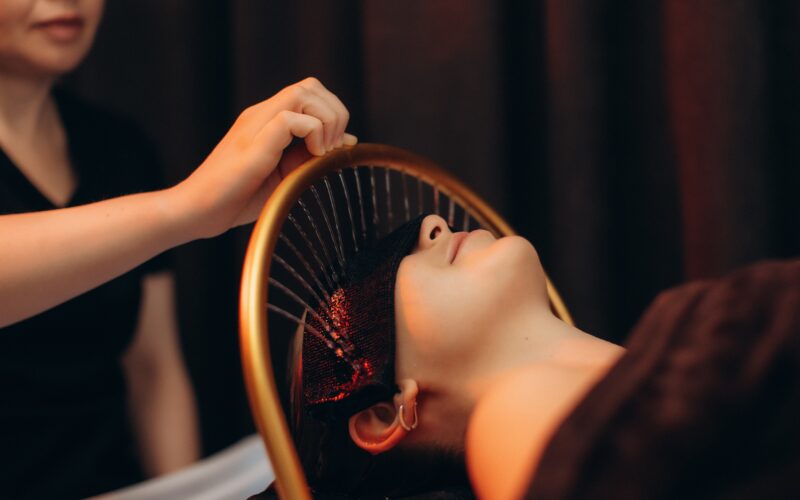
The treatment itself — whatever the specific modality — operates within a framework of principles that most Western spa training does not address.
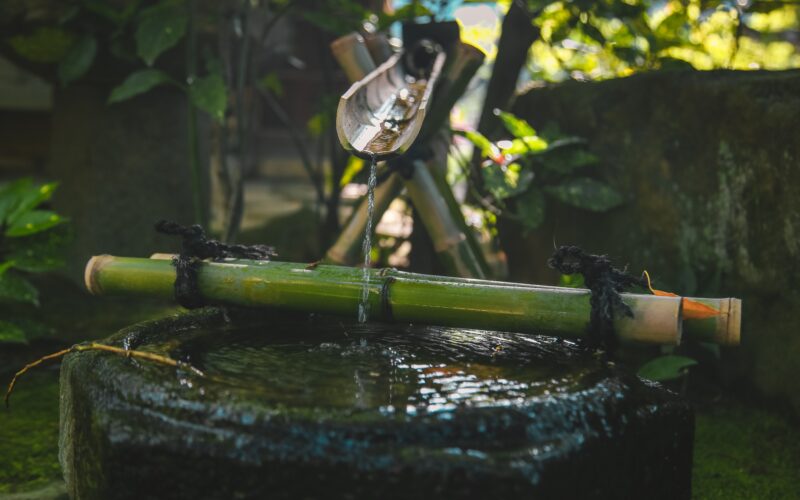
Sound is active throughout. Not background music, but deliberately chosen acoustic elements — the resonance of koto, water sounds at a specific frequency, periods of genuine silence — that continue the physiological shift begun during arrival and preparation. According to Healthline, multi-sensory therapeutic environments produce significantly deeper parasympathetic activation than single-modality approaches.
The therapist’s movements include deliberate pauses — the ma of the treatment — where the body is held in stillness between techniques. These pauses are not transitions. They are treatment elements. The body integrates what it has just received before the next movement begins.
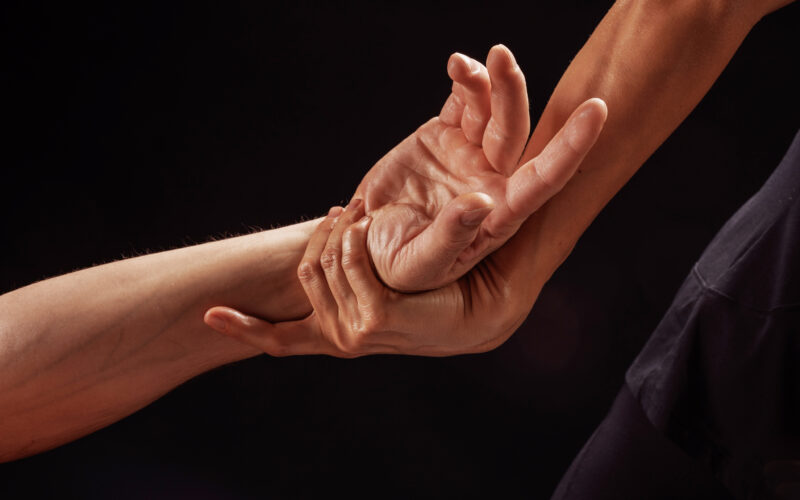
The quality of the therapist’s presence — their kokoro, the internal orientation they bring into the room — communicates something to the guest’s nervous system throughout. Touch that comes from genuine stillness produces a different response than touch that is technically identical but internally absent.
What Guests Feel Afterward
The japanese spa guest experience does not end when the treatment does. What happens in the hours and days following is, in many ways, the most significant part of the experience.
Guests consistently describe a specific sequence. In the immediate aftermath: quiet. Not relaxed in the conventional sense — genuinely still. The mind is not generating its usual flow of thought. The body feels different in a way that is difficult to articulate.
That evening: deeper sleep than usual. Not just longer — qualitatively different. The kind of sleep that most adults have stopped expecting.
The following day: a different relationship to stress. Things that would normally trigger a cortisol response land differently. The body’s baseline has shifted — not permanently, but measurably, for 24 to 48 hours.
Two days later: a specific quality of wanting to return. Not because the experience was pleasant — though it was — but because the body has learned what genuine recovery feels like and is asking for it again.
This is the japanese spa guest experience at its most complete. And it is what no marketing budget can manufacture — because it requires delivering the thing itself, not the story about the thing.
Why They Cannot Stop Talking About It
The reason guests from authentic Japanese spa experiences are so vocal is specific. They have experienced something they cannot fully explain.
The words they reach for — reset, different, something changed — are not imprecise. They are accurate descriptions of a physiological experience that most people have no prior reference for. When you have experienced something that your vocabulary cannot quite capture, the response is to try to describe it to someone else. To recommend it. To want them to have the experience because you cannot adequately convey it in words.
This is the most powerful marketing channel in the wellness industry. And it only comes from the authentic Japanese wellness delivery — the complete system of environment, sound, and practitioner presence that produces the experience guests talk about.
Okawari transfers the complete japanese spa guest experience — from arrival to aftermath — to international spa owners and hospitality investors. To understand what building this looks like, visit okawarispa.com/enquire.