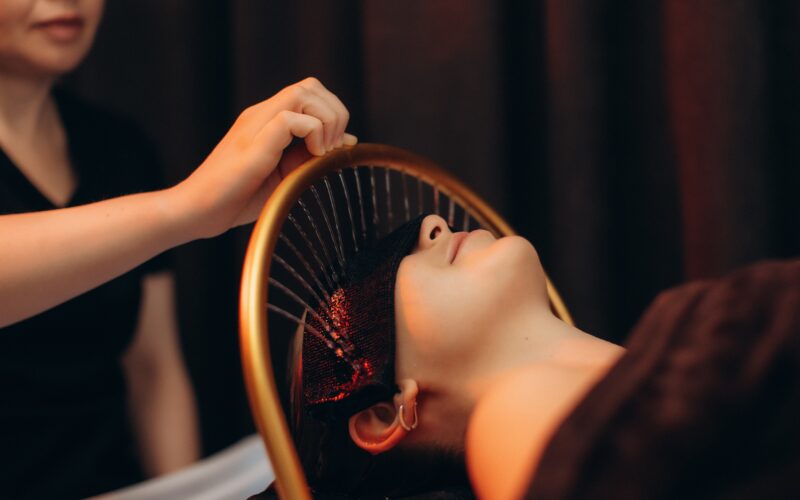
Walk into almost any high-end spa in Singapore, Kuala Lumpur, or Los Angeles that markets itself as an authentic Japanese spa, and you will find the same things. Shoji screens. Bamboo accents. A name with the word zen or wa in it. Staff in dark linen. The scent of hinoki cedar.
It looks Japanese. It feels considered. The photography is beautiful.
And then the treatment begins — and something is missing. You cannot name it in the moment. You leave relaxed, the way you leave any competent spa. However, two days later, the experience has faded completely. There is nothing to return to.
This is the gap between a spa that looks Japanese and an authentic Japanese spa. It is not a gap in aesthetics. Rather, it is a gap in outcome — and understanding it is one of the most important things a spa owner or wellness investor can do before making their next business decision. It is also the reason why wabi-sabi spa design, when applied with genuine philosophical understanding, produces a result that decoration alone never will.
The Surface Level: What Every Japanese-Inspired Spa Has
The visual elements of Japanese spa design have become well-understood in the global wellness industry. Natural materials. Restrained color palettes. Indirect lighting. Minimal clutter. These are all genuine elements of Japanese aesthetic philosophy — and when done well, they create a beautiful environment.
However, guests who travel internationally for wellness experiences have seen beautiful environments on five continents. Beautiful no longer impresses them. They want something their body has not felt before.
The visual elements of Japanese design, applied without the underlying philosophy, produce a setting. What an authentic Japanese spa delivers, in contrast, is a system — one that operates on the body at a level that decoration alone cannot reach. According to the Global Wellness Institute, the fastest-growing segment of the wellness market is precisely this: experiences that produce a measurable physiological outcome, not just a beautiful hour.
What Makes a Japanese Spa Authentic
Authenticity in Japanese wellness is not about certification or geography. A spa in Singapore with a Japanese founder and genuine training can, for example, be more authentically Japanese than a spa in Tokyo that has adopted the aesthetic without the substance.
Authenticity comes from three specific things — and all three need to be present for the result to be real.
1. The Philosophy Comes Before the Technique
In an authentic Japanese spa, how a therapist delivers a treatment matters as much as what the treatment does. This is not a marketing point. It is, in fact, a physiological one.
A therapist who understands why they are doing what they are doing — who grasps the concept of ma (the intentional use of space and pause) and kokoro (the orientation of the heart before touching another person) — produces a different effect in the body than a technically trained therapist who does not. Furthermore, a therapist who understands that their own internal state is part of the treatment brings a quality to their work that technique alone cannot create.
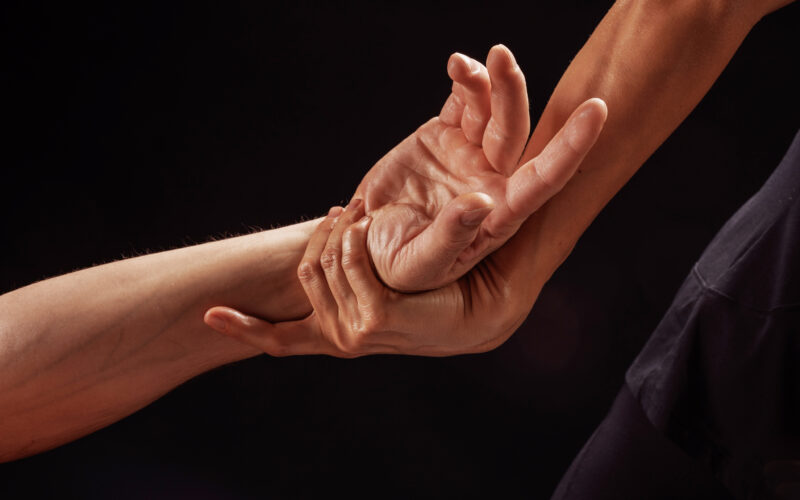
The nervous system responds differently to touch that comes from a centered, intentional practitioner. Most Western spa training does not address this. Japanese wellness training, however, begins with it.
2. Authentic Japanese Spas Treat Sound as a Treatment Element
Most spa operators overlook this entirely — because sound is invisible, and invisible things are easy to miss.
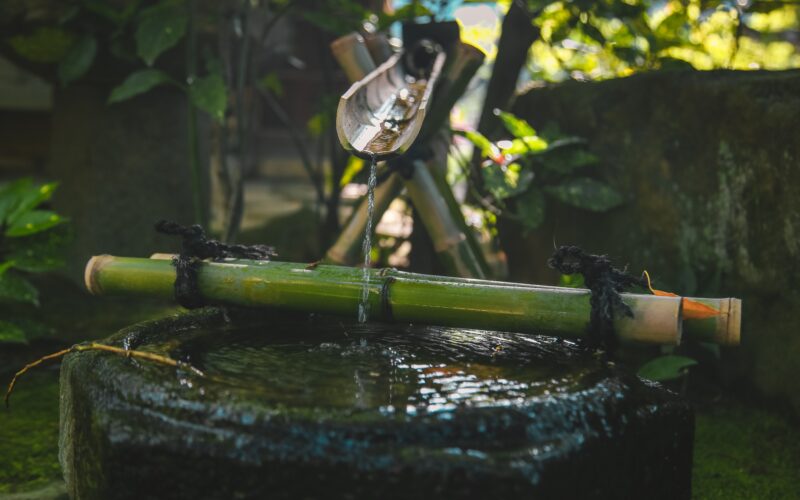
In an authentic Japanese spa, practitioners use sound as medicine, not background. They choose the specific frequencies of traditional Japanese instruments — the resonance of a koto, the low breath of a shakuhachi flute, the measured movement of water — because of how these sounds interact with the human nervous system, not merely because they sound Japanese.
Research published by the National Institutes of Health consistently shows that acoustic environment affects cortisol levels, heart rate variability, and the depth of relaxation a body can reach. As a result, a spa that plays ambient music because silence feels awkward has made a fundamentally different choice from one that designs its acoustic environment with the same care as its lighting.
3. Silence Functions as a Tool, Not a Problem to Solve
There is a Japanese concept called ma — the meaningful use of empty space. Musicians understand it as the pause between notes. In a conversation, silence gives what was just said room to land. During a treatment, the stillness between one movement and the next allows the body to process what it just received.
Most spas fill every moment because silence makes people uncomfortable. Staff keep the conversation warm. Music runs at a volume that ensures the room never feels empty. Consequently, guests stay occupied from arrival to departure — with no space to actually rest.
An authentic Japanese spa, however, treats silence differently. Therapists move from reception to treatment room quietly. They begin each session with a moment of stillness. They give the body space between techniques to integrate what it has just experienced. When done correctly, guests describe this as the most cared-for they have ever felt — precisely because the stillness communicates that nothing needs to happen except what is happening right now.
The Test: What a Guest Feels Two Days Later
The clearest way to distinguish an authentic Japanese spa from a decorative one is not what happens during the treatment. It is what happens afterward.
A standard spa treatment — even a very good one — produces relaxation that fades within 24 to 48 hours. The body returns to its baseline and the experience becomes a memory.
An authentic Japanese treatment, delivered with philosophical intention, sound design, and genuine technique, produces something different. Guests describe it as a reset rather than a release. Their sleep changes. Stress no longer lands the same way. The body remembers the experience — and asks to go back.
This is the commercial difference, not just the philosophical one. A guest who feels genuinely different returns without prompting and brings people with them. For investors who want to understand what this means for a business, the numbers behind a Japanese spa for business tell the rest of that story.
Why This Gap Exists
The gap between authentic and decorative Japanese wellness exists for a simple reason: the surface elements of Japanese design are easy to learn and implement. The philosophy behind them, however, takes years of practice and requires a fundamentally different approach to training.
Most international spa operators who want to offer Japanese wellness do the sensible thing: they hire a designer who understands Japanese aesthetics, source the right materials, train their staff in a Japanese technique or two, and open. The result looks right. The reviews are good.
But the physiological outcome — the one that creates loyal guests who cannot find what you offer anywhere else — does not come from this approach. Creating that outcome requires a complete system: philosophy, sound, technique, and the training to deliver all three with genuine understanding.
What to Look For in an Authentic Japanese Spa Concept
If you are a spa owner evaluating whether your current offering delivers authentic Japanese wellness — or an investor considering a Japanese wellness concept for your business — these are the questions worth asking.
Does your training begin with philosophy or technique? Therapists who learn what to do before they learn why they do it will always hit a ceiling, regardless of how skilled they become technically.
Do your sound choices serve the nervous system or the atmosphere? If your team selected sounds because they sound Japanese rather than because of their specific physiological effect, you are using sound as decoration rather than treatment.
Does silence have a role in your protocol? Staff who fill every quiet moment are consequently removing one of the most powerful tools in Japanese wellness.
What do guests say two days after a treatment? If the answer centers on how relaxed they felt in the moment rather than how different they feel afterward, the treatment produces relaxation rather than reset.
None of these questions have a simple fix. They require, instead, a different approach to training, design, and the fundamental understanding of what a spa is for.
The Honest Conversation
For spa owners and investors who have put significant resources into a Japanese-inspired concept, this can feel like a difficult conversation. The space looks right. The branding is strong. Furthermore, the reviews are positive.
However, a respected spa and an irreplaceable spa are two different things. Respected spas earn good reviews. Irreplaceable spas, in contrast, earn guests who tell other people they have found something they cannot find anywhere else.
The path from respected to irreplaceable runs through authenticity — not the authenticity of aesthetics, but the authenticity of outcome. The willingness to go past what looks Japanese and understand what Japanese wellness actually does to the human body, and why.
That journey is harder than sourcing hinoki wood and adding shiatsu to the menu. It is, however, the journey that produces the result guests are actually looking for — even when they do not yet have the words to ask for it.
The Starting Point
Authentic Japanese wellness is not something a business can purchase and install. Building it requires understanding the system and transferring it — from a practitioner who has spent years developing it, to a team trained to deliver it, in an environment designed to support it.
This is what Okawari does. Not the aesthetics of Japan — the physiology of Japan. The part that changes how a guest feels not just during a treatment, but in the days that follow.
If you are building a spa that you want to be genuinely different — not just in appearance but in outcome — that conversation begins at okawarispa.com/enquire.
CEOL Academy Japan® operates Okawari from Osaka, Japan. Partnership enquiries: info@okawarispa.com