A japanese wellness practice built on ten thousand treatments teaches things that no curriculum can fully capture. Not because the curriculum is wrong — but because repetition reveals patterns that only reveal themselves through volume. The body, encountered enough times across enough people, begins to show you what it needs before it tells you.
It shows you in the way a shoulder holds under a particular kind of touch. In the way breathing changes when a practitioner enters a room with a specific quality of presence. In the way a guest’s face shifts, almost imperceptibly, when the silence in a treatment room shifts from social awkwardness to genuine permission.
This is where the Okawari methodology begins. Not in theory — in practice.
What Repetition Reveals
The first thousand treatments teach technique. The hands learn pressure, rhythm, and anatomy. The practitioner develops physical fluency — the ability to work with the body without thinking about the mechanics of working with it.
The next few thousand treatments teach reading. The practitioner begins to notice what the body communicates before and apart from what the guest says. Chronic holding patterns in the shoulders. The difference between tension that releases quickly under pressure and tension that requires patience and approach from a different angle.
The way the quality of a guest’s breath in the first five minutes of a treatment tells you almost everything about what the session will require.
By ten thousand treatments, something else has accumulated. Call it pattern recognition at a level that bypasses analysis. A practitioner at this stage does not think through what a body needs. They feel it — through their hands, through their own nervous system’s response to the person they are treating.
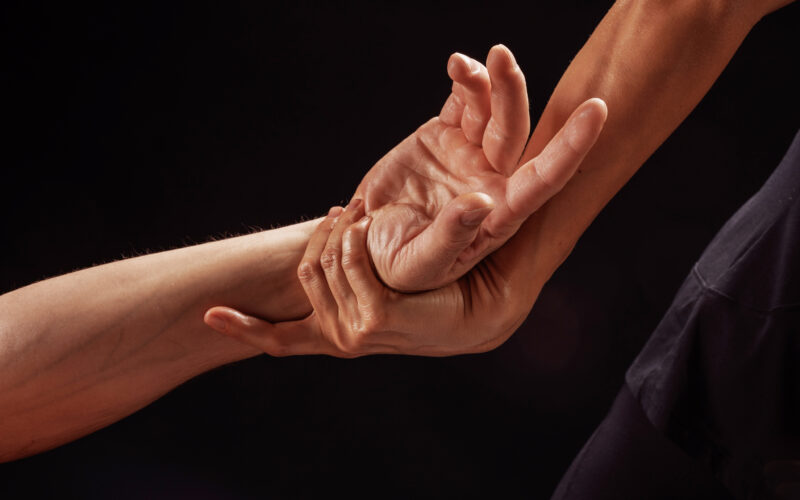
This is what the Japanese call te no kioku — the memory of the hands. And it is genuinely different from skill. It is the accumulated knowing that practice, and only practice, builds.
The Three Things That 10,000 Treatments Confirm
Across all of that accumulated practice, three things become impossible to ignore.
The environment does more than half the work. A guest who enters a treatment room already in a state of genuine stillness — because the space they moved through on the way in was designed to produce that stillness — is a different body to work with than a guest who is still processing their day.
The practitioner’s hands do not have to work against the nervous system’s alertness. They can work with a body that has already begun to release. This is why wabi-sabi spa design is not an aesthetic preference in Japanese wellness. It is a clinical decision.
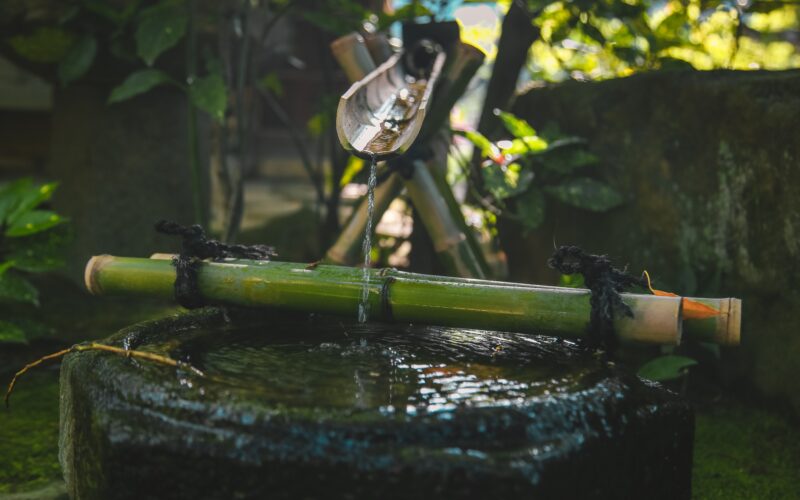
Sound changes what touch can do. A treatment delivered in an environment with the right acoustic design — specific frequencies, deliberate silence, the sound of water moving at the right rhythm — produces a different depth of response than the same technique delivered in a room with ambient music.
The body’s threshold for release is lower. The nervous system reaches parasympathetic activation faster. The result lasts longer. Ten thousand treatments make this pattern undeniable.
The practitioner’s internal state is the treatment. A therapist who is genuinely centered — not performing centeredness, but actually settled in their own nervous system — communicates something through touch that a technically identical but internally distracted therapist does not. Guests feel it.
They do not always have language for it, but their bodies register the difference. Building this quality in therapists requires training that begins with philosophy, not technique.
What This Means for the Industry
Most spa training programs focus on what to do and how to do it correctly. The philosophy — the why — is treated as supplementary context rather than foundational requirement.
This is backwards. Not because the technique is unimportant. Technique matters enormously. But technique without philosophical grounding produces practitioners who can execute correctly without understanding what they are actually doing. And without that understanding, the depth of result is limited — regardless of how many hours the therapist has practiced.
According to Psychology Today, the therapeutic relationship — the quality of the connection between practitioner and client — is one of the strongest predictors of treatment outcome across virtually every healing modality. The japanese wellness practice tradition has understood this intuitively for centuries. The research now confirms it in clinical terms.
The Commercial Implication
For spa owners and investors, this has a direct commercial implication. A training program that builds philosophical understanding alongside technical skill produces therapists who create loyal guests.
Not guests who liked their treatment — guests whose bodies respond to what the therapist brings into the room, and who return because their nervous system has come to need it.
That quality of loyalty is what authentic Japanese wellness builds when it is taught correctly. And it is what separates the concepts that become genuinely irreplaceable in their markets from the ones that are well-liked but easily substituted.
Okawari was developed from fourteen years of hands-on japanese wellness practice by founder Megumi Takeda. To understand what that means for your business, visit okawarispa.com/enquire.