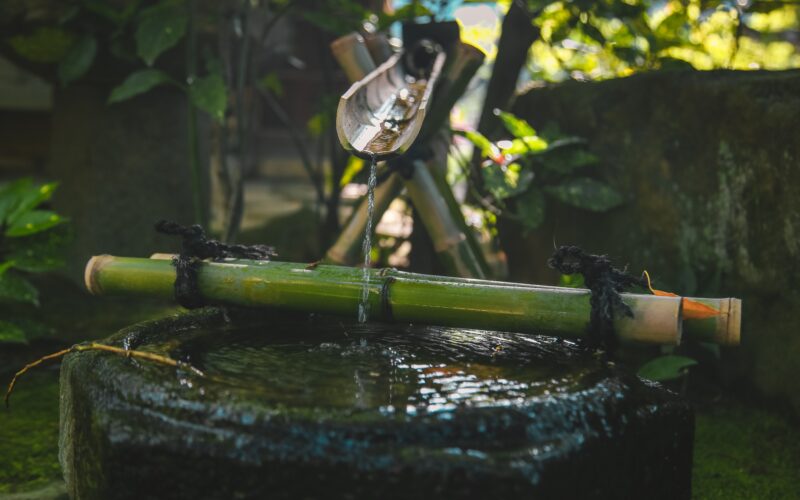
Noble Silence Wellness: There is a moment in certain Japanese tea ceremonies where everything stops. The host makes one careful movement. The guest watches. Nobody speaks. The silence is not empty — it is full of something that is genuinely difficult to name. Attention, maybe. Presence. The feeling of being somewhere that has decided, collectively, that this moment is enough.
That quality of silence — intentional, held, meaningful — is what the Japanese call noble silence wellness. And it is one of the most powerful healing tools in Japanese wellness tradition. It is also, almost universally, the first thing that gets removed when Japanese wellness concepts are adapted for international markets.
The reasons are understandable. Silence makes people uncomfortable. Staff worry that guests will feel ignored. Operators worry that a quiet spa feels cold. So the music goes on, the welcome speech gets longer, and the experience becomes one that fills every moment — leaving no room for the thing that actually heals.
What Noble Silence Actually Is
Noble silence is not the absence of noise. That distinction matters more than it might seem.
A library is quiet but not nobly silent. A waiting room is quiet but carries anxiety in every square metre. An empty office building at night is quiet in a way that makes most people want to leave quickly.
Noble silence is silence with intention behind it. It is the decision — made by everyone in a space, implicitly or explicitly — that words are not needed right now. That presence is enough. That the moment does not require filling.
In Japanese wellness tradition, noble silence has roots in both Zen Buddhism and the practice of ma — the meaningful use of empty space. Architects understand ma as the pause between structures. Musicians find it in the held rest between notes. Human interaction uses it as the space between words where meaning actually settles.
Noble silence in a wellness context is the application of ma to the entire experience of being in a spa. It says: you do not have to perform here. You do not have to respond or engage or manage the social interaction. You can simply be present in your own body — and the space will hold that for you.
According to Psychology Today, periods of intentional silence have been shown to reduce cortisol, lower heart rate, and activate the parasympathetic nervous system — the part of the autonomic system responsible for rest and recovery. The science, in other words, supports what Japanese wellness practitioners have understood for centuries.
Why Western Spas Struggle With Silence
Most wellness professionals in Western markets were trained in traditions that value warmth, communication, and responsiveness. A good therapist, in this framework, is one who reads what the client needs and responds — verbally, socially, emotionally.
This is not wrong. It is, however, incomplete when applied to Japanese wellness.
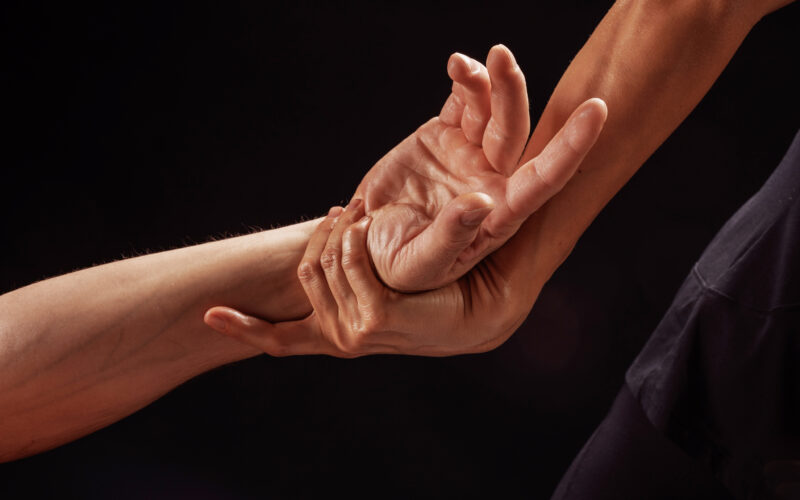
In Japanese healing traditions, the most profound care a practitioner can offer is not communication. It is attunement — the quality of being so fully present with another person that words become unnecessary. A Japanese wellness practitioner who has developed this quality does not need to ask how the client is feeling. They can read it in the body’s tension, the rhythm of breathing, the way a shoulder holds.
The problem for most international spas is that attunement takes years to develop. It cannot be trained in a weekend course. So instead, operators substitute warmth and conversation — which guests appreciate in the moment but which ultimately prevents the depth of rest that attunement makes possible.
Noble silence, properly held, creates the conditions for attunement. It says to the guest’s nervous system: nothing is expected of you here. And that permission — that genuine release from social obligation — is often the first real rest a guest has had in weeks.
What Noble Silence Looks Like in Practice
The misconception most operators have about noble silence is that it means staff stop speaking entirely and guests are left to navigate the experience alone. That is not how it works.
Noble silence in a well-designed Japanese wellness experience is layered. There are moments of brief, warm communication — a quiet greeting, a gentle instruction, a single sentence that orients the guest to what is about to happen. And then the silence settles. Not awkwardly. Not because nobody knows what to say. But because nothing needs to be said.
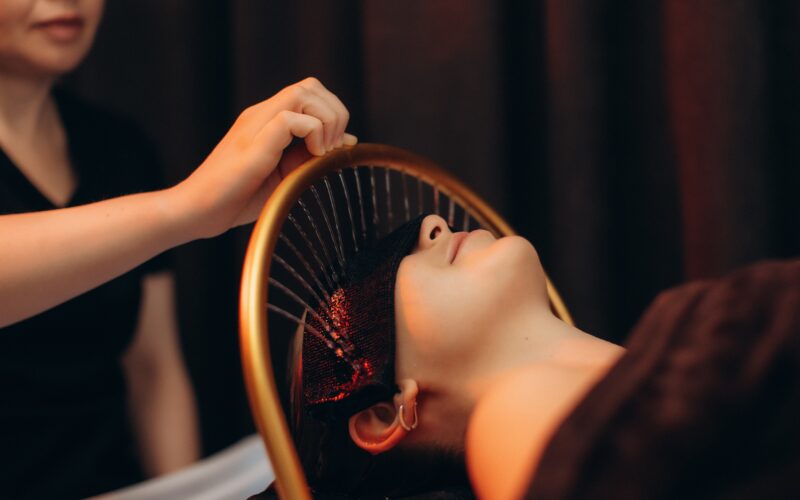
The transition from reception to treatment room, for example, does not require commentary. A good Japanese wellness practitioner walks that transition with their guest in a way that communicates: I am here with you. Everything is prepared. You are safe to let go. None of that requires words.
The preparation ritual before a treatment — the moment when the therapist and guest both arrive in the treatment room and settle into the space — is one of the most therapeutically important moments in Japanese wellness. It is almost entirely silent. And it is precisely this silence that begins to shift the guest’s nervous system from alert to rest, before a single technique has been applied.
The Difference It Makes
A guest who has experienced noble silence as part of a Japanese wellness treatment will often say something like: “I don’t know what they did differently, but I felt more rested after that treatment than I have in months.”
What they felt, specifically, is the effect of a nervous system that was given genuine permission to stop. Not distracted from its tension. Not talked through its anxiety. Simply held in silence long enough to release what it had been carrying.
This is measurably different from the relaxation produced by a competent but conventionally structured spa treatment. Research published by Mayo Clinic consistently shows that the depth of physiological rest a person achieves correlates directly with how completely they disengage from social and communicative demands during that rest period. Noble silence creates that disengagement systematically — not by accident, but by design.
What This Means for Spa Owners
If you operate a spa and you are reading this thinking: “we already have quiet music and we ask staff not to talk too much” — that is a good start, but it is not the same thing.
Noble silence is not a policy. It is a culture — one that starts with how the space is designed, continues through how therapists are trained, and culminates in the specific quality of presence that a practitioner brings into a treatment room.
Building that culture takes time. It requires therapists who understand why silence matters, not just how to be quiet. It requires a physical environment that supports silence rather than fighting it — a space designed with wabi-sabi principles that communicate, through material and light and proportion, that nothing here needs to perform.
And it requires a willingness to trust that guests who initially feel uncomfortable with silence will, given a practitioner skilled enough to hold it properly, discover that it is exactly what they came for — even if they did not know it when they arrived.
The spas that have built this culture consistently report something that operators who have not experienced it find difficult to believe: guests who return not because the treatment was pleasant, but because their body has come to need it. That is the commercial case for noble silence. Not a philosophical point — a retention strategy.
A Practical Note
If you are considering how to incorporate noble silence into your spa’s offering, the starting point is not a staff policy memo. It is a training conversation.
Ask your therapists: what do they understand about silence? Do they find it comfortable or uncomfortable? When a guest goes quiet, do they fill the space or hold it?
Their answers will tell you exactly where to begin. And if you want to understand what a training program that takes silence seriously actually looks like, the Okawari approach is worth understanding — because it starts exactly there.
Okawari brings authentic Japanese wellness to international spa owners and hospitality investors. For partnership enquiries, visit okawarispa.com/enquire.