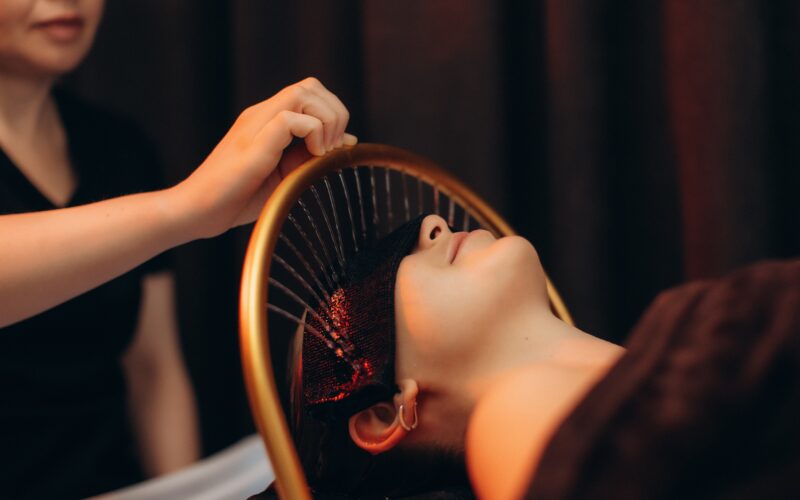
Japanese spa cortisol reduction is one of the most consistently documented outcomes of authentic Japanese wellness practice — and one of the least understood by the operators trying to replicate it.
Cortisol is the body’s primary stress hormone. Produced by the adrenal glands in response to perceived threat or demand, it prepares the body for action — increasing heart rate, sharpening attention, suppressing digestion and immune function. In short bursts, this is useful. In the low-level chronic state that most modern urban adults maintain, it is quietly destructive.
What authentic Japanese wellness does to cortisol is not complicated. But it requires specific conditions to produce consistently — conditions that most standard spa treatments do not create.
Why Cortisol Matters for Spa Owners
Before getting into mechanism, it is worth addressing why spa owners should care about cortisol at all.
The answer is retention. A guest whose cortisol level drops measurably during a treatment, and remains lower for 24 to 48 hours afterward, has experienced something physiologically different from a guest who simply relaxed for an hour. Their body noticed. And their body will look for that experience again.
According to research published by Mayo Clinic, chronic cortisol elevation is associated with sleep disruption, immune suppression, cognitive impairment, and accelerated cellular aging. The premium wellness consumer who books high-end spa treatments is, in most cases, someone whose cortisol levels are chronically elevated. They are looking for relief that actually works.
Most spa treatments provide temporary relaxation without meaningfully affecting cortisol. Authentic Japanese wellness, built around the specific conditions that activate parasympathetic dominance, produces measurable cortisol reduction that guests feel for days.
The Three Mechanisms of Japanese Spa Cortisol Reduction
1. Environmental Permission
The body does not reduce cortisol in an environment it reads as demanding. A spa that signals luxury through perfection — flawless surfaces, symmetrical arrangements, lighting engineered to make everything look its best — inadvertently communicates performance demand to the nervous system. The body stays partially alert.
A space designed around wabi-sabi principles communicates something different: honesty, impermanence, the absence of demand. Natural materials with visible character. Controlled shadow alongside light. Intentional empty space. The nervous system reads this environment as safe — and cortisol begins to drop before the treatment starts.
2. Acoustic Safety
The auditory system has a direct pathway to the amygdala — the brain region that governs threat assessment and cortisol production. Sound bypasses conscious processing entirely. The acoustic environment of a spa is affecting cortisol levels from the moment a guest enters, whether the operator intended it or not.
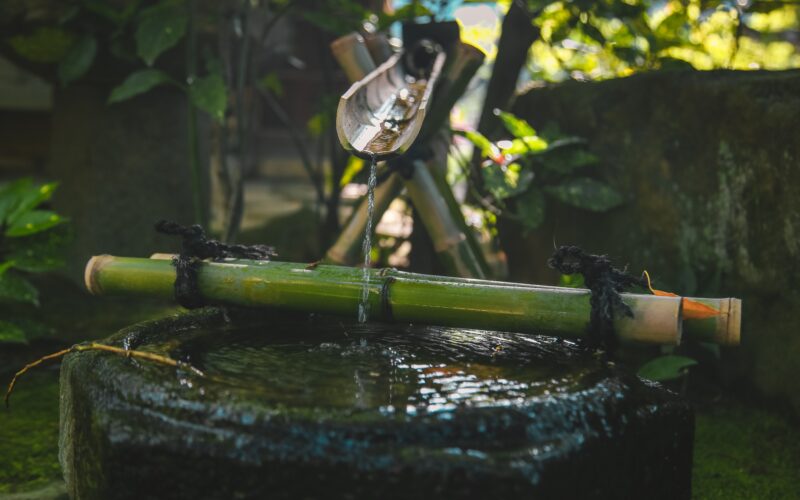
Research published by the National Institutes of Health has documented the specific frequency ranges that activate parasympathetic response and reduce cortisol. Traditional Japanese instruments — koto, shakuhachi — and natural water sounds fall precisely in these ranges. A spa that uses these sounds deliberately, as treatment elements rather than background, produces measurable cortisol reduction that ambient music does not.
3. Philosophical Presence
Most spa training ignores this mechanism entirely — because conventional training contexts cannot standardize or measure it.
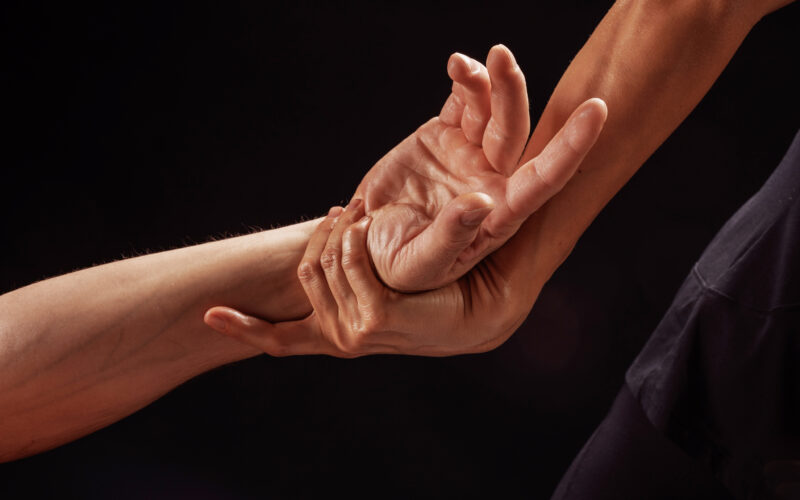
A practitioner with genuine internal stillness communicates safety through touch in a way that a distracted practitioner cannot. This quality is what Japanese wellness calls kokoro. nervous system responds differently to touch that carries genuine presence.
Psychology Today consistently references studies showing that therapeutic relationship quality is among the strongest predictors of physiological outcome in body-based therapies.
In Japanese wellness tradition, this has been understood empirically for centuries. The training that develops kokoro is what makes japanese spa cortisol reduction reliable rather than occasional.
What This Looks Like in Practice
When all three mechanisms are present, the cortisol reduction is significantly deeper than what standard treatments produce. Environmental permission, acoustic safety, and philosophical presence work together to create this outcome.
Guests describe the difference in specific terms. Not just relaxed — quiet. Not just refreshed — different. Their sleep is deeper that night. The following day, stress responses land noticeably calmer. Their body has had an experience of genuine safety that most of daily life does not provide.
This is japanese spa cortisol reduction not as a marketing claim but as a physiological reality. And it is what creates the guest who returns without being asked — whose body has learned what genuine recovery feels like and begins to seek it.
The Business Implication
For spa owners, japanese spa cortisol reduction is not primarily a wellness story. It is a retention story.
A treatment program that consistently produces this outcome creates a guest base that returns for physiological reasons rather than convenience reasons. That is the most durable form of loyalty in the wellness industry — and it separates genuinely irreplaceable concepts from ones that guests like but easily substitute.
Building this requires the complete system — environment, sound, and training depth. For spa owners who want to understand what that looks like in practice, the Okawari approach covers the full picture.
CEOL Academy Japan® developed Okawari from Osaka, Japan. We transfer the complete system of authentic Japanese wellness — including the physiological mechanisms behind japanese spa cortisol reduction — to international spa owners and investors. Visit okawarispa.com/enquire.