Neurological rest spa is not the same as relaxation. This distinction sounds subtle. In practice, it is the difference between a treatment that guests remember fondly and one that changes how their body operates for days afterward.
A neurological rest spa experience — one designed specifically to produce genuine autonomic downshift rather than surface-level relaxation — is something most guests have never had. Not because they have not visited good spas. Because most good spas are not built to produce it.
Understanding what neurological rest actually is, and why it requires specific conditions to occur, explains why authentic Japanese wellness produces outcomes that standard luxury spa treatments consistently fail to reach.
What Neurological Rest Actually Means
The autonomic nervous system has two primary operating modes. The sympathetic mode — fight, flight, or freeze — prepares the body for action. Heart rate increases. Digestion pauses. Stress hormones flood the bloodstream. Attention sharpens and narrows.
The parasympathetic mode — rest, digest, and repair — does the opposite. Heart rate decreases. Digestion resumes. Cortisol drops. Immune function improves. Cellular repair processes that are suppressed during sympathetic activation begin to run.
Most people in modern urban environments spend the majority of their waking hours in a low-level sympathetic state. Not in acute stress — but not in genuine parasympathetic dominance either. The body is managing background demands, processing ambient stimulation, maintaining the readiness that daily life requires. This costs energy and accumulates as a form of fatigue that sleep alone does not always fully resolve.
Neurological rest occurs when the parasympathetic nervous system achieves genuine dominance — when the body registers, at a physiological level rather than a cognitive one, that nothing is required of it. No performance. No social readiness required. Nothing to monitor. Nothing at all.
According to Mayo Clinic, consistent achievement of genuine parasympathetic dominance through therapeutic practice produces measurable improvements in immune function, sleep quality, cognitive performance, and markers of chronic inflammation. These are not subjective wellness claims. They are documented physiological changes.
Why Most Spas Do Not Produce Neurological Rest
The conditions required for genuine neurological rest are specific — and most spa environments, however well-designed aesthetically, do not create them.
Environmental stimulation. A treatment room with continuous music keeps the auditory system processing. A therapist who maintains warm conversation throughout keeps the social brain engaged. A reception experience involving multiple decisions keeps the prefrontal cortex active. The body can relax despite all of this — but it cannot achieve genuine parasympathetic dominance while processing social and sensory demands.
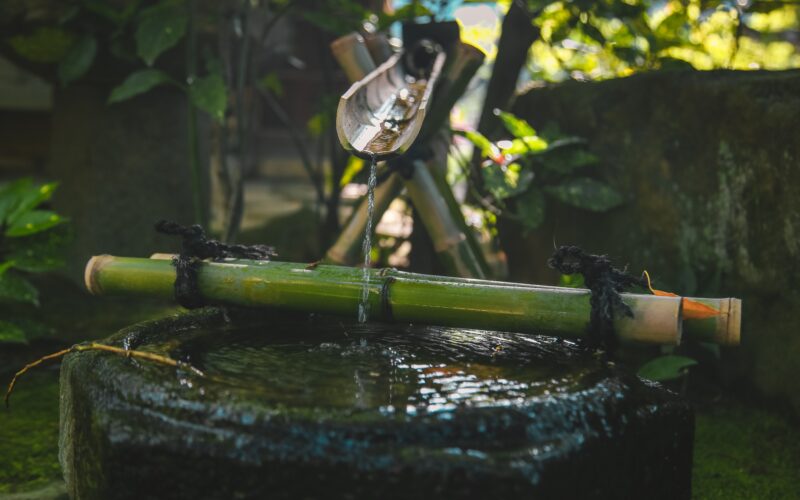
The absence of genuine silence. Neurological rest requires what Japanese wellness calls ma — the presence of intentional empty space, including acoustic empty space. Not reduced stimulation. Actual absence. The brief periods of genuine silence during a treatment that give the nervous system nothing to process except stillness are among the most powerful tools in authentic Japanese wellness — and the most commonly removed element when Japanese wellness concepts are adapted for international markets.
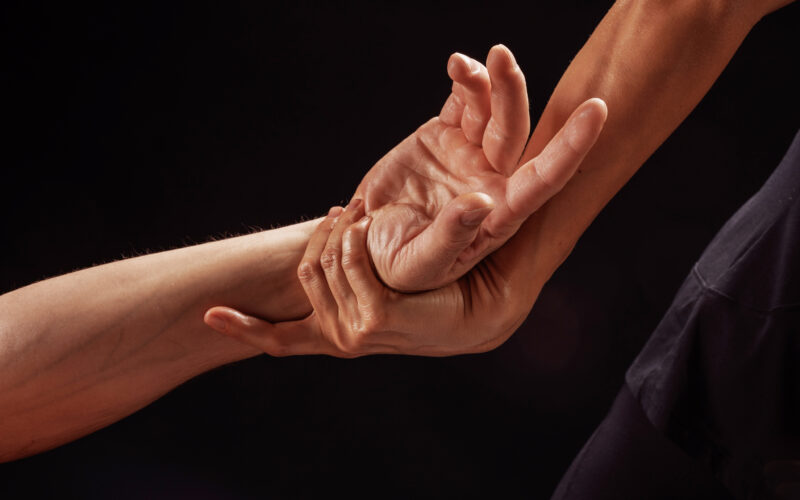
Therapist internal state. This is the factor most consistently ignored in Western spa training. A therapist who is genuinely centered — not performing centeredness, but actually settled in their own nervous system — communicates something through touch that their presence conveys to the guest’s autonomic nervous system. A guest being touched by someone genuinely at rest in themselves reaches neurological rest faster and deeper than a guest being touched by someone who is internally managing their own stimulation.
How a Neurological Rest Spa Creates the Conditions
A neurological rest spa is not a spa with a philosophy statement about deep rest. It is a spa designed, at every level, to create the specific conditions under which genuine parasympathetic dominance can occur.
Environmental design communicates to the nervous system — through material, proportion, light, and the deliberate use of empty space — that nothing here is performing or demanding. The wabi-sabi design principles that underpin authentic Japanese spa environments are clinical decisions, not aesthetic ones.
Acoustic design uses specific frequencies that activate parasympathetic pathways — koto resonance, water sounds, controlled silence — as treatment elements rather than background. According to research published by Healthline, the acoustic environment directly affects the depth of autonomic downshift achievable during therapeutic treatment.
Training depth develops practitioners who bring genuine kokoro into the treatment room — whose own neurological state communicates safety to the guest’s nervous system through the quality of their presence and touch.
When all three are present, the neurological rest spa experience produces something that most guests describe with the same specific language: reset. Different. Something changed. These are not marketing words. They are accurate descriptions of a body that has achieved genuine parasympathetic dominance for the first time in weeks or months.
What Guests Experience
Guests who have experienced neurological rest in an authentic Japanese spa describe a specific sequence.
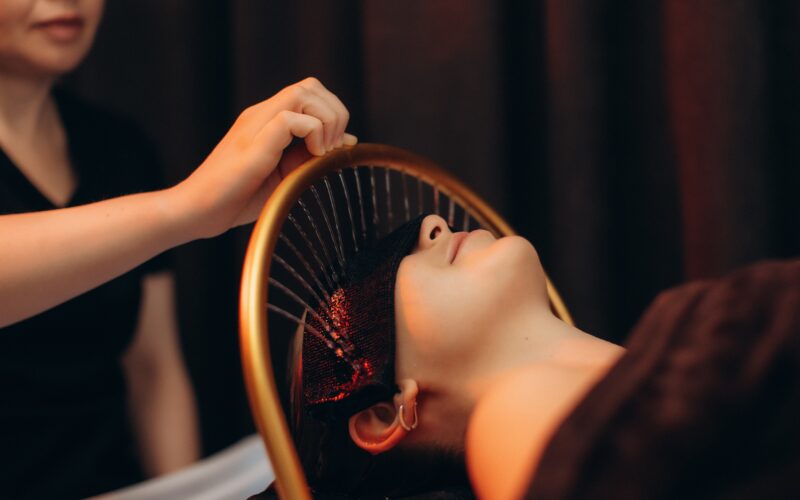
During the treatment: a quality of quiet that is different from relaxation. The mind stops generating thought at its usual rate. The body feels heavy in a pleasant way. Time seems to pass differently.
Immediately afterward: genuine stillness. Not the pleasantly relaxed feeling of a standard spa treatment — actual quiet, in both body and mind.
That evening: deeper sleep. Qualitatively different, not just longer.
The following day: a different relationship to stress. The autonomic baseline has shifted. Things that would normally trigger a cortisol response land differently.
Two to three days later: the specific quality of wanting to return. Not because the experience was pleasant — though it was. Because the body has learned what genuine recovery feels like and is asking for it again.
This is what authentic Japanese wellness builds toward. And it is what most spa guests have never experienced — not because it is rare in the sense of being difficult to access, but because it requires a specific combination of design, sound, and practitioner depth that most spas have not yet assembled.
Okawari transfers the complete neurological rest spa system — environment, acoustic design, and philosophy-first training — to international spa owners and hospitality investors. Visit okawarispa.com/enquire.