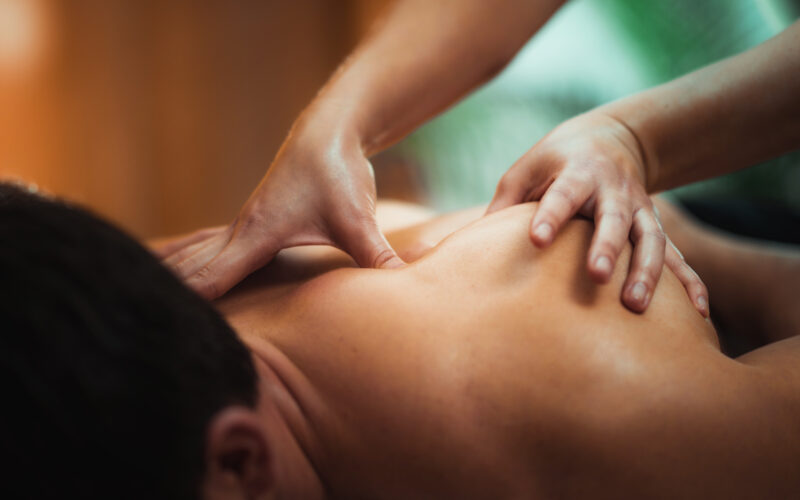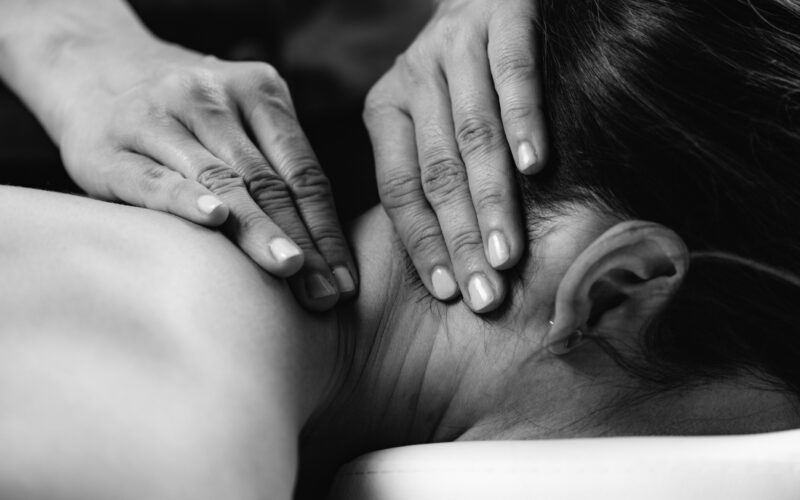
Nervous system massage therapy is not a specialty modality. It is the foundation of all effective bodywork — whether the therapist recognizes it or not.
Every massage treatment is a nervous system intervention. The question is not whether touch affects the nervous system, but how deliberately the therapist is directing that effect. A practitioner who understands the autonomic nervous system — how it shifts between states, what conditions facilitate that shift, and how the quality of touch influences the outcome — can produce results that are physiologically deeper and longer-lasting than technique alone can achieve.
This understanding is central to authentic Japanese wellness training. It is also, in the broader therapeutic community, significantly underrepresented in standard massage education.
The Autonomic Nervous System: A Practical Overview
The autonomic nervous system (ANS) governs the body’s involuntary functions — heart rate, digestion, immune activity, hormone production, and cellular repair. It operates along a spectrum between two primary states.
The sympathetic state — commonly described as fight-or-flight — prepares the body for action. Heart rate increases. Digestion pauses. Stress hormones flood the bloodstream. Peripheral blood vessels constrict. The immune system downregulates. Attention sharpens and narrows to immediate threats.
The parasympathetic state — rest, digest, and repair — produces the opposite. Heart rate slows. Digestion resumes. Cortisol drops. Immune function improves. Cellular repair processes that are suppressed during sympathetic activation begin to run. The body does the maintenance work that sustains long-term health.
Most adults in modern urban environments spend the majority of their waking hours in a low-level sympathetic state. Not in acute crisis — but not in genuine parasympathetic dominance either. The body is managing a continuous background load of ambient stress that prevents it from ever fully shifting into repair mode.
This is the physiological context in which nervous system massage therapy operates. According to Mayo Clinic, chronic sympathetic activation is associated with impaired immune function, disrupted sleep, accelerated cellular aging, and increased susceptibility to inflammatory conditions. The therapeutic value of genuine parasympathetic activation — which skilled bodywork can reliably produce — extends far beyond the hour of the treatment itself.
How Touch Communicates With the Nervous System
Touch reaches the nervous system through multiple pathways simultaneously. Understanding these pathways is fundamental to nervous system massage therapy.
Mechanoreceptors and C-Tactile Afferents
The skin contains several types of mechanoreceptors — sensory nerve endings that respond to different qualities of pressure and movement. Among the most significant for therapeutic bodywork are C-tactile afferent fibers — a specific type of nerve fiber that responds selectively to slow, gentle, stroking touch.
Research published by the National Institutes of Health has documented that C-tactile afferent activation produces direct parasympathetic nervous system effects. These fibers are associated with social bonding and safety signaling — they evolved to respond to the kind of touch that communicates care and non-threat. When activated appropriately, they produce measurable reductions in cortisol, heart rate, and sympathetic tone.
The practical implication is significant. Slow, sustained, deliberate touch activates C-tactile afferents and produces parasympathetic effects. Fast, percussive, or highly technical touch does not activate these fibers in the same way. The pace and quality of touch is therefore not simply a stylistic choice — it is a clinical decision with physiological consequences.
The Vagus Nerve
The vagus nerve is the primary communication pathway of the parasympathetic nervous system. It runs from the brainstem through the neck, chest, and abdomen, innervating the heart, lungs, and digestive organs. Vagal tone — the degree to which the vagus nerve is actively exerting parasympathetic influence — is one of the strongest predictors of physiological resilience and health outcomes.
Skilled nervous system massage therapy can directly influence vagal tone. Work in the suboccipital region — the base of the skull — affects fascial connections to the vagus nerve. Gentle rhythmic pressure in the upper thoracic region supports the vagal innervation of the heart. According to Psychology Today, practices that consistently increase vagal tone produce measurable improvements in immune function, emotional regulation, and recovery from stress.
The Role of the Practitioner’s Own Nervous System
This is the dimension of nervous system massage therapy that most training programs do not address — and it is among the most important.
The client’s nervous system does not respond only to the mechanical properties of touch. It also responds to the nervous system state of the person delivering it. A practitioner who is genuinely centered — whose own autonomic system is in parasympathetic dominance — communicates safety through the quality of their contact in ways that a practitioner managing their own sympathetic activation cannot.
This is not mystical. It is physiological. The subtle cues of a centered practitioner — the pace of their breath, the quality of their muscle tone, the absence of urgency in their movements — register in the client’s nervous system before any conscious assessment has taken place. The client’s system mirrors what it perceives. A calm practitioner facilitates a calm client.
This is why authentic Japanese wellness training places the development of kokoro — the practitioner’s own internal quality — at the center of the curriculum. Not as a philosophical aspiration, but as a clinical requirement.
The Autonomic Sequence of an Effective Treatment
Understanding nervous system massage therapy also means understanding the physiological sequence that an effective treatment should follow.
The arrival phase. The client enters already in a specific autonomic state. In most cases, that state is low-level sympathetic activation. The environment they enter — acoustic, visual, thermal — begins shifting that state before any touch occurs. A well-designed treatment space lowers the sympathetic baseline through the sensory environment alone.
The transition phase. The first contact establishes the quality of what follows. Slow, confident, unhurried initial contact tells the nervous system: nothing sudden is coming. The C-tactile afferents activate. The vagal tone begins to increase. Cortisol begins its descent.
The deepening phase. As the treatment progresses and the parasympathetic shift deepens, the quality of what is available to the therapist changes. A body in genuine parasympathetic dominance releases tension differently than a body that is still partially guarding. The fascia responds more fully. The muscles allow deeper contact. The treatment produces its most significant effects in this phase — which only becomes available when the earlier phases have been genuinely traversed.
The integration phase. The end of the treatment is as important as the beginning. An abrupt transition back to the outside world reverses much of the autonomic shift the treatment has produced. A deliberate, unhurried integration phase — where the client is held in stillness before being brought back — allows the nervous system to consolidate the shift it has made.
This sequence is the physiological logic behind the japanese spa ritual that authentic Japanese wellness treats as integral to every treatment.
Building Nervous System Awareness Into Practice
For therapists who want to develop their nervous system massage therapy practice, the starting point is their own autonomic awareness.
Develop the ability to sense your own nervous system state before entering a treatment room. Learn to recognize sympathetic activation in yourself — the subtle tension, the slightly elevated breathing rate, the quality of mental preoccupation — and develop practices that shift you toward parasympathetic dominance before you touch a client.
This is not a minor refinement. It is a fundamental skill. The practitioner who can reliably enter a treatment room in genuine parasympathetic dominance is offering their client something qualitatively different from one who cannot — regardless of how skilled their hands are.
For therapists and spa owners interested in the anatomy-based approach that underpins authentic Japanese wellness, the full picture of how nervous system understanding is built into the training curriculum is worth exploring before any training decisions are made.
CEOL Academy Japan® developed Okawari from Osaka — an anatomy-based institution that places nervous system massage therapy understanding at the center of therapist education. Visit okawarispa.com/enquire.