Luxury wellness pricing at the premium tier is one of the most misunderstood dynamics in the spa industry. Operators often approach it as a positioning decision — choosing a price point that signals quality, then hoping the experience justifies it. Guests at the premium level approach it differently. They are not paying for a price point. They are paying for a specific outcome they have not been able to find at any price.
Understanding this distinction changes how you build a spa, how you train your therapists, and how you think about what your treatment program actually delivers.
What Premium Guests Are Actually Buying
The premium wellness guest in 2026 is not price-sensitive in the conventional sense. A guest who regularly spends on luxury hospitality has long since stopped making decisions based on whether something costs $150 or $250. The question they ask — consciously or not — is simpler: does this deliver something I cannot find anywhere else?
When the answer is yes, luxury wellness pricing becomes almost irrelevant to the buying decision. The guest pays because the outcome is worth it. They return because their body responded in a way it does not respond to other options. They refer others because they genuinely cannot explain what happened and they want someone they care about to experience it.
When the answer is no — when the treatment is competent and pleasant but ultimately interchangeable with the five other luxury spas the guest has visited this year — no amount of pricing strategy retains them. They pay once. They do not return.
The Outcome That Justifies Premium Pricing
The outcome that justifies luxury wellness pricing at the highest tier is not relaxation. Most competent spas produce relaxation. Premium guests have experienced relaxation. They are looking for something that changes how their body operates — not just how it feels for an afternoon.
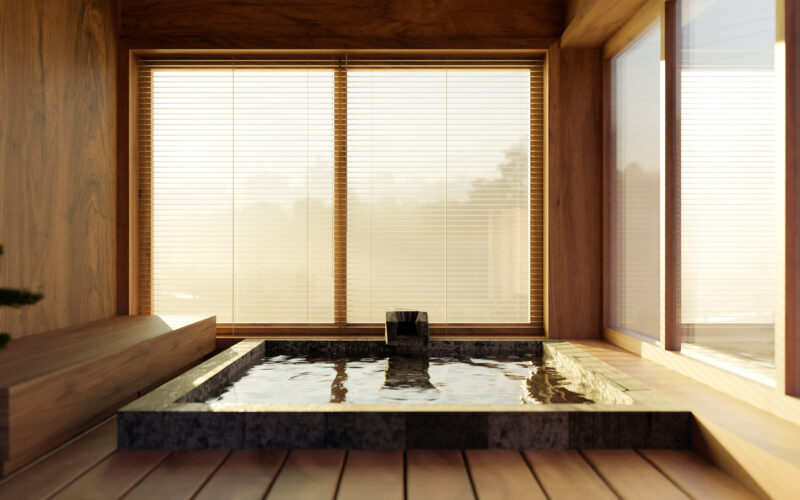
Authentic Japanese wellness, built with proper philosophy, training, and environmental design, consistently produces this outcome. Guests describe it as reset rather than relaxation. Their sleep changes. Their relationship to stress changes. Their body remembers the treatment and asks to return — not because the experience was pleasant, but because their nervous system found something it needed.
This outcome justifies luxury wellness pricing at 40 to 60 percent above comparable treatments at standard luxury spas. According to McKinsey & Company, premium consumers in experience-based industries pay significantly above market rate for outcomes that are genuinely scarce — experiences they cannot find elsewhere regardless of willingness to pay.
An authentic Japanese wellness treatment is exactly this kind of scarce experience. Most premium wellness consumers in major markets have never had one. When they do, the price conversation becomes secondary.
Why Luxury Wellness Pricing Requires Genuine Delivery
Here is the honest version of this conversation. Luxury wellness pricing that is not backed by genuine outcome does not create loyalty. It creates resentment.
A guest who pays $300 for a treatment that produces the same result as the $150 treatment at the hotel down the road does not return. They do not refer. They may leave a polite review — but they have made a mental note that the premium was not justified.
This is why the training question is more important than the pricing question. Setting luxury wellness pricing at the appropriate level is straightforward once the treatment program genuinely delivers the outcome that justifies it. The hard work is building that delivery — the environmental design, the acoustic philosophy, the training depth, and the quality of practitioner presence that authentic Japanese wellness requires.
For spa owners who are building this from the ground up, the wabi-sabi design framework and authentic Japanese wellness training are the two starting points worth understanding before any pricing decisions are made.
The Retention Economics of Luxury Wellness Pricing
There is another dimension to luxury wellness pricing that most operators underestimate: its effect on retention economics.
A treatment priced at $250 that retains 65 percent of guests over 12 months is worth significantly more than a treatment priced at $150 that retains 30 percent of guests. The math is straightforward. However, the implications reach further than the revenue calculation.
High-retention luxury wellness pricing creates a different kind of business. The guest base deepens rather than churns. Referral rates climb. Marketing costs decrease. And the business develops the kind of reputation — the one where guests tell each other “I cannot fully explain it, but you need to try it” — that no marketing budget can manufacture.
According to Harvard Business Review, this compounding loyalty effect is one of the most durable competitive advantages in premium service businesses. Building it requires genuine delivery. However, once built, it creates a business that is genuinely difficult to displace.
Okawari is a Japanese luxury wellness concept developed by CEOL Academy Japan®, Osaka. We help international partners build the treatment programs that justify luxury wellness pricing through genuine outcome. Visit okawarispa.com/enquire.