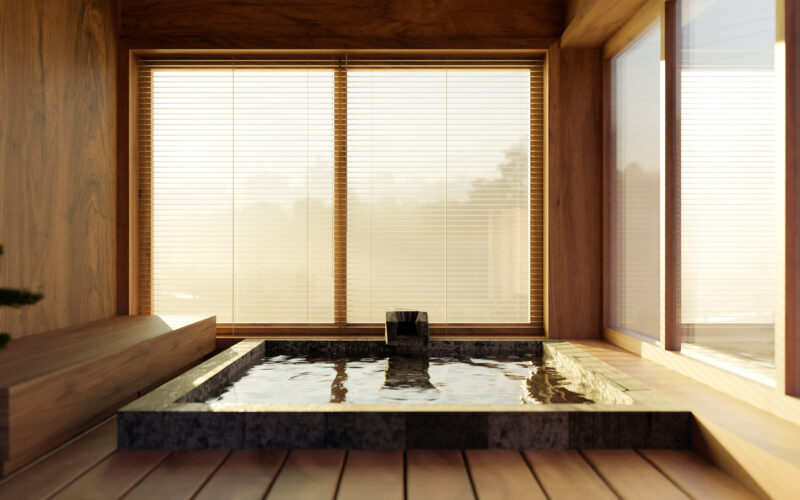
Japanese wellness in American resorts has moved from a niche interest to a serious strategic conversation in the US hospitality industry. The shift is happening for a specific reason — not because Japanese aesthetics have become fashionable, but because the wellness outcomes that authentic Japanese practice produces are different from what any existing resort wellness program in the US market currently delivers.
Resort operators who have investigated this seriously have consistently found the same thing. The demand exists. The guest base is ready. The gap between what American resort wellness programs currently offer and what authentic Japanese wellness can deliver is significant. And the business case for being the first to close that gap in any given market is compelling.
Why American Resort Guests Are Ready for This
The profile of the american resort guest has evolved significantly — and japanese wellness american resorts conversations are now happening at the highest levels of US hospitality investment.
The guest who books a wellness-focused resort stay in 2026 has had numerous competent spa experiences. They know what relaxation feels like. Sound baths, float tanks, yoga retreats, and most modalities currently offered across the US wellness landscape — they have tried all of it. Another variation on what they already know is not what they are looking for.
According to Forbes, the US luxury wellness market is increasingly driven by demand for what researchers call “transformative experiences” — experiences that produce a lasting change in how the guest feels, thinks, or operates, rather than simply providing a pleasant interlude. Authentic Japanese wellness delivers this kind of experience consistently. Most US resort wellness programs do not.
What Authentic Japanese Wellness Adds to a Resort Program
A properly implemented Japanese wellness program adds three specific things to a resort offering that standard programs cannot replicate.
A differentiated reason to choose the property. Resort selection in the US luxury market increasingly involves the wellness program as a significant factor. A resort with an authentic Japanese wellness program — one that produces genuine neurological reset rather than pleasant relaxation — offers something that guests cannot find at competing properties. This influences booking decisions in ways that a standard spa menu does not.
A story that travels. American resort guests talk about their experiences. A Japanese wellness program that delivers genuine results generates the kind of word-of-mouth that resort marketing budgets aspire to but rarely achieve through paid channels. The specificity of the experience — the unusual quality of the silence, the way the sound environment feels different, the depth of rest that treatment philosophy combined with skilled touch produces — gives guests something concrete and unusual to describe.
Premium treatment revenue. Authentic Japanese wellness supports treatment pricing at 40 to 60 percent above standard resort spa rates. This premium is sustainable because it reflects genuine outcome — guests return at high rates and pay consistently because the experience is not available elsewhere.
What Building This Requires
The most important decision in implementing Japanese wellness in an American resort is the training partnership — not the design firm, not the product supplier, not the menu consultant.
A resort with a beautiful environment and Japanese-aesthetic treatment rooms but without properly trained therapists will produce the look of Japanese wellness without the outcome. Guests will have pleasant experiences. They will not have transformative ones. The loyalty that justifies the investment will not materialize.
The training program needs to begin with philosophy. Therapists need to understand why Japanese wellness works — the role of the nervous system, the function of silence, the meaning of ma, the way the practitioner’s own internal state shapes the treatment outcome — before they learn the specific techniques. This is the opposite of most Western spa training sequences. However, it is what produces the quality of practitioner presence that creates the guest experience described above.
The physical environment matters too. A resort spa designed with wabi-sabi principles communicates something to the guest’s nervous system before the treatment begins. This is a clinical decision, not just an aesthetic one.
The Competitive Timing
The window for being the first authentic Japanese wellness program in any given US resort market is not unlimited. Awareness of what the real thing produces is growing among both operators and sophisticated guests. However, because the barrier to entry is training depth rather than capital, most competitors who attempt to enter this space will produce the aesthetic without the outcome.
The resort that builds the real thing first will occupy a position that is genuinely difficult to displace. For resort operators and hospitality investors who want to understand what that looks like in practice, the Okawari partnership model and the full picture of authentic Japanese wellness are worth studying before any decisions are made.
Okawari is a Japanese luxury wellness concept developed by CEOL Academy Japan®, Osaka. We work with resort operators and hospitality investors to build authentic Japanese wellness programs. Visit okawarispa.com/enquire.